

How Much House Can You Afford in Orlando in 2026?
Before you tour a single home, one question decides everything else: how much house can you afford in Orlando? The honest answer is not just a price tag. It is a monthly payment you can live with, a down payment you can reach, and a cushion that keeps a surprise repair from becoming a crisis. This guide walks through the real math Orlando buyers should run in 2026, with a worked example you can adapt to your own income and savings.
The Payment Is the Real Ceiling, Not the Price
Lenders do not approve you for a home price. They approve you for a monthly payment, then work backward to a price. So the smartest starting point is your comfortable monthly housing budget, not a headline number you saw online.
A widely used guideline is the 28/36 rule:
- 28%: keep your total monthly housing payment at or below 28% of your gross monthly income.
- 36%: keep all monthly debts (housing plus car loans, student loans, and credit cards) at or below 36% of gross income.
These are guardrails, not gospel. Some loan programs stretch higher, but the rule is a sensible place to anchor a realistic Orlando budget.
A Worked Example: What a $110,000 Household Can Target
Say your household earns $110,000 a year, or about $9,166 a month before taxes. At 28%, your target total housing payment is roughly $2,566 a month. That number has to cover more than principal and interest. In Florida it also has to absorb:
- Property taxes (Orange County and the surrounding counties each set their own millage rates, typically translating to roughly 1% to 1.3% of assessed value per year)
- Homeowners insurance, which runs higher in Florida than the national average and commonly lands somewhere in the $150 to $300 monthly range for a mid-market Orlando home
- Private mortgage insurance if you put down less than 20%
- HOA or CDD fees, common in newer Orlando communities like Lake Nona and Horizon West
Once you subtract a realistic estimate for taxes and insurance from that $2,566 budget, what is left over for principal and interest is smaller than the total number suggests, often by $400 to $600 a month depending on the home’s price and your specific insurance quote. Working backward from the remaining amount at a 6.5% interest rate on a 30-year loan, a household in this range often lands on a purchase price somewhere in the high $300,000s to low $400,000s, not the full $450,000-plus that the raw payment number might imply before those carve-outs. Every input here, your rate, your down payment, your actual insurance quote, moves the answer, which is exactly why running your own figures with a lender beats trusting a generic estimate.
Down Payment: How Much You Really Need in Orlando
You do not need 20% down to buy in Orlando, and most buyers do not put that much down. Your realistic options include:
- Conventional loans: as little as 3% to 5% down for qualified buyers
- FHA loans: 3.5% down with more flexible credit requirements
- VA and USDA loans: 0% down for eligible veterans and buyers in qualifying rural-adjacent areas
A smaller down payment gets you in the door sooner, but it raises your monthly payment and often adds mortgage insurance. If cash is your constraint, look into assistance before you shop. Our guide to first-time homebuyer programs in Florida covers down payment help that can meaningfully expand your budget.
The Florida Costs That Change Your Answer
Two line items surprise buyers moving to Orlando from other states, and both directly affect how much house you can afford.
Insurance. Florida premiums are among the highest in the country. A high quote can shave real dollars off your maximum price, so get an insurance estimate early, not at closing.
Property taxes. Your taxable value and exemptions matter. If the home becomes your primary residence, the Florida homestead exemption can lower your taxable value and cap future increases, which frees up room in your monthly budget. For current Orlando price levels to plug into your math, check our Orlando housing market update.
Build In a Cushion, Not Just a Ceiling
Qualifying for a payment and being comfortable with it are two different things. Before you commit, pressure-test your budget:
- Keep three to six months of expenses in reserve after closing.
- Budget 1% to 2% of the home value each year for maintenance.
- Leave room for rising insurance renewals, a real factor in Florida.
Buying slightly under your maximum is not a missed opportunity. It is how you keep the home you love from becoming a source of stress.
Your Next Step
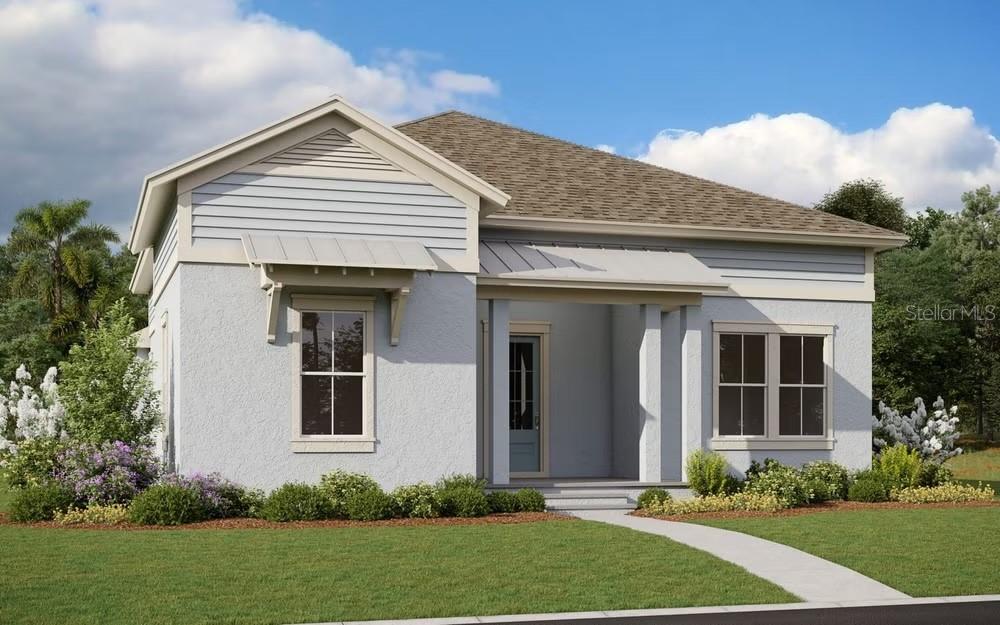
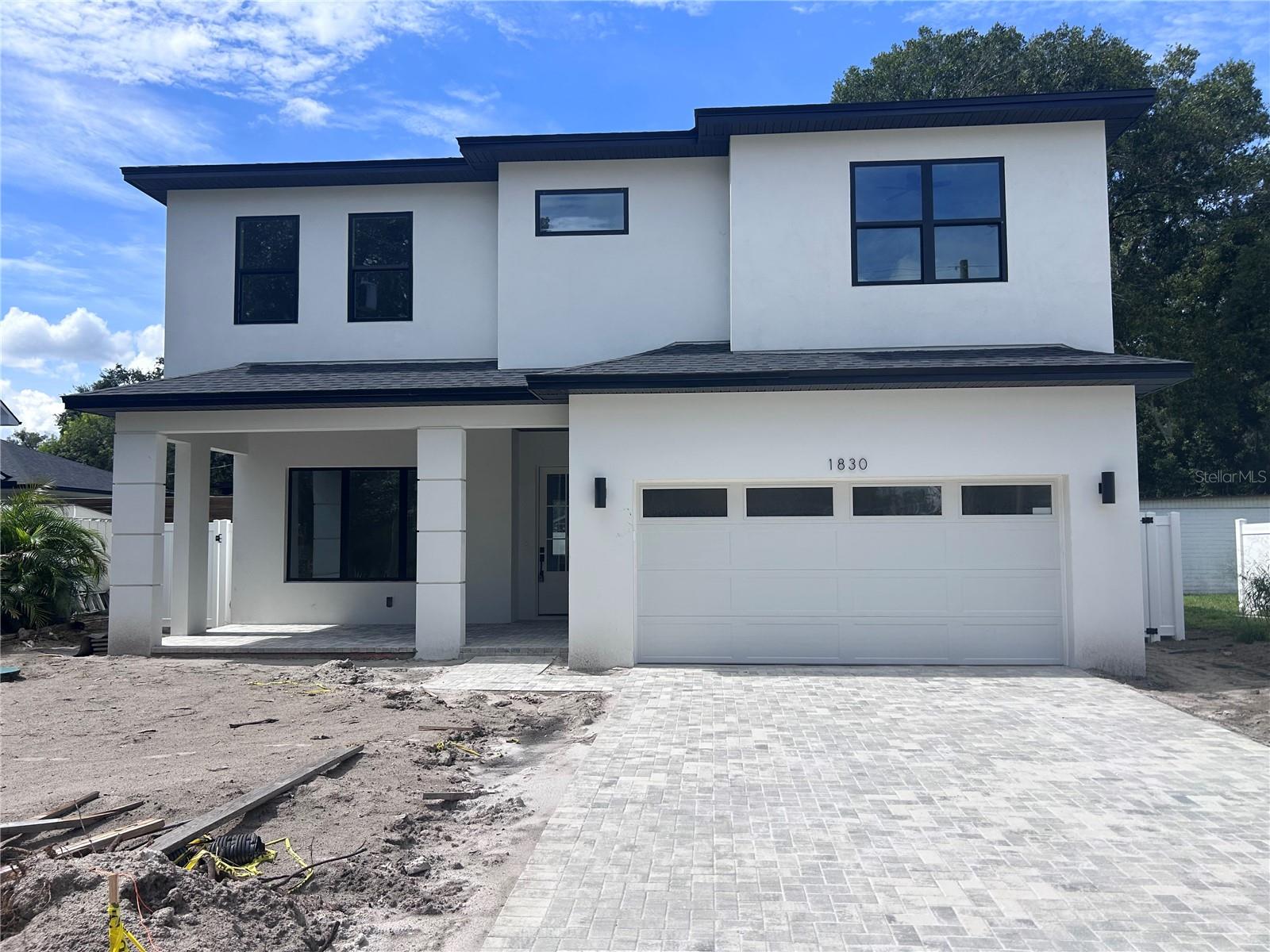
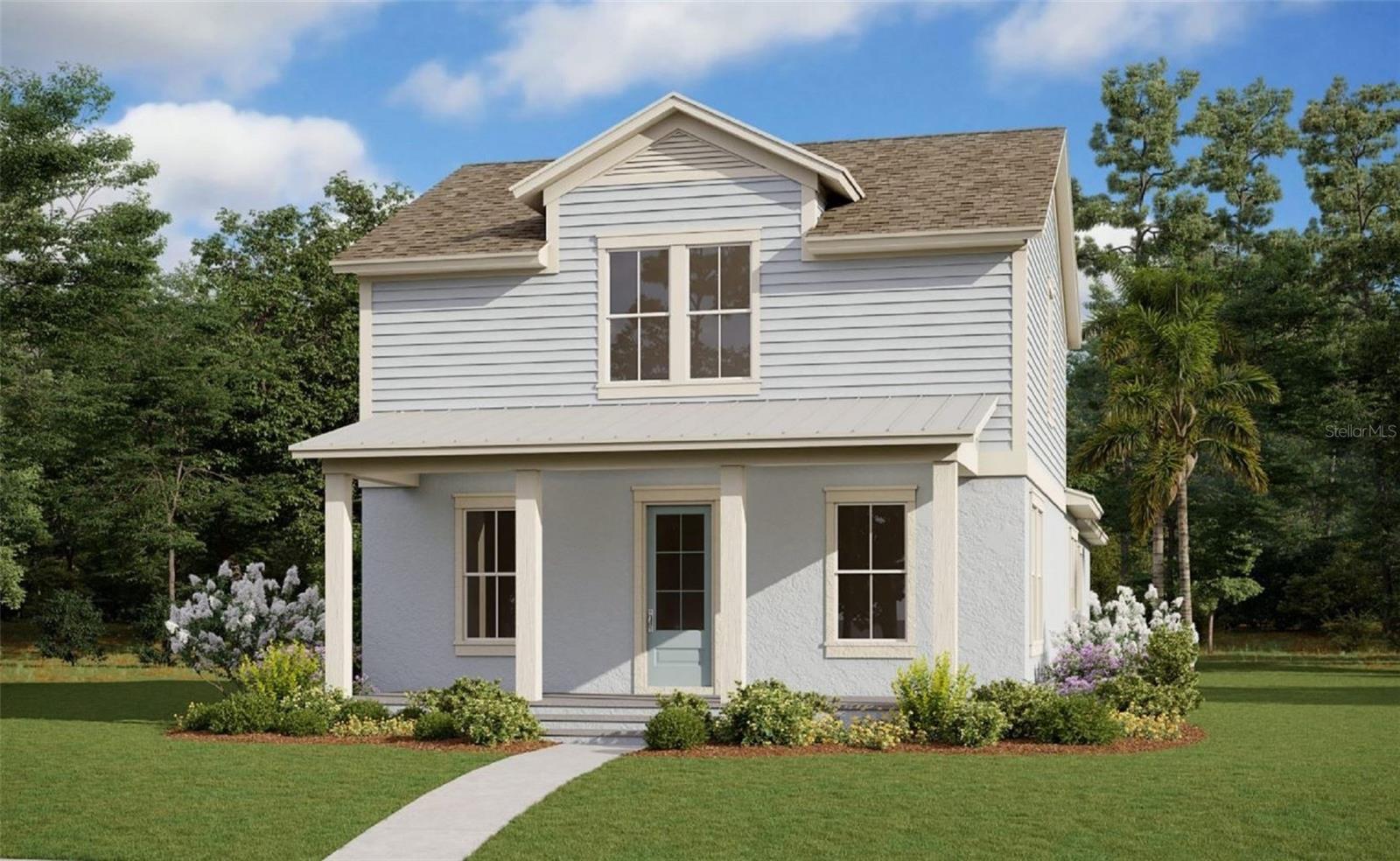
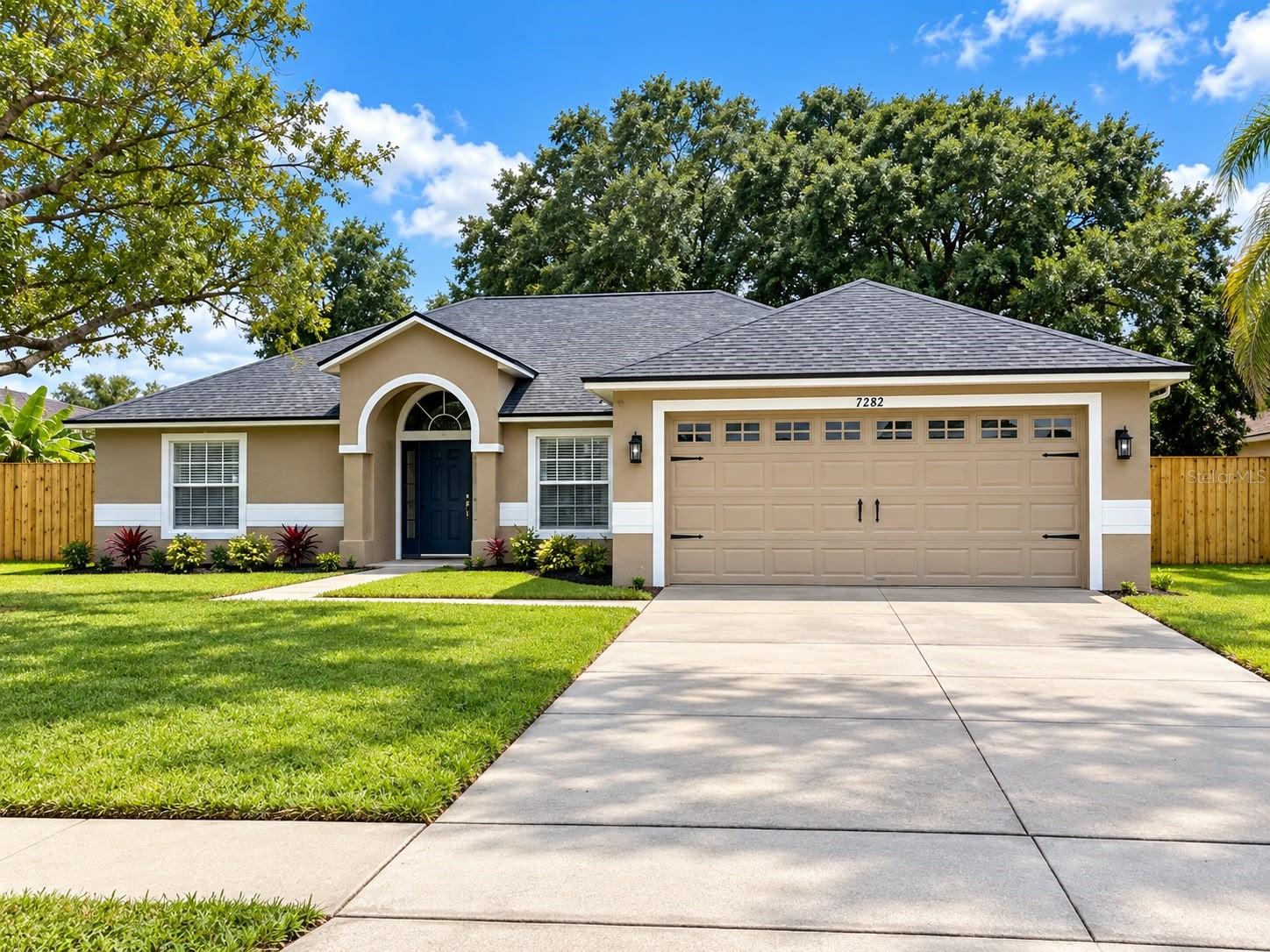
The fastest way to turn all of this into a real number is a two-part move: get a full lender pre-approval so you know your exact payment ceiling, then browse homes inside it so every showing is a home you can actually buy. You can start with Orlando homes priced under $400,000 with 3 or more bedrooms, or open the full home search tool and set filters to your own budget.
When you are ready to match the numbers to the right neighborhoods, reach out to our team. We will help you set a confident price range and find homes that fit both your budget and your life.
Common Questions
Frequently Asked Questions
Keep Reading
Related Articles


Ready to Make Your Move?
Let DJ & Lindsey Help You Find Your Dream Home
Whether you're buying, selling, or just exploring your options, we're here to guide you every step of the way. With deep local expertise across Florida's best markets, we'll help you make the smartest real estate decisions.
Get In Touch
Free Consultation
"*" indicates required fields