

Lakefront Homes in Orlando: A 2026 Buyer’s Guide
Lakefront homes in Orlando and the surrounding Central Florida communities range from established houses on smaller neighborhood lakes to large estates on interconnected chains built for boating and water sports. For buyers relocating to the area, waterfront living can be one of the biggest draws, but the lake itself matters just as much as the house.
Water quality, navigability, shoreline condition, dock permits, flood risk and actual legal access can all affect how a waterfront property functions day to day. This guide explains the major lake systems buyers should know and the questions to ask before purchasing an Orlando-area lakefront home.
For a broader look at neighborhoods, relocation resources and homes throughout the area, start with our Orlando real estate and neighborhoods guide.
Why Greater Orlando Has So Much Waterfront Real Estate
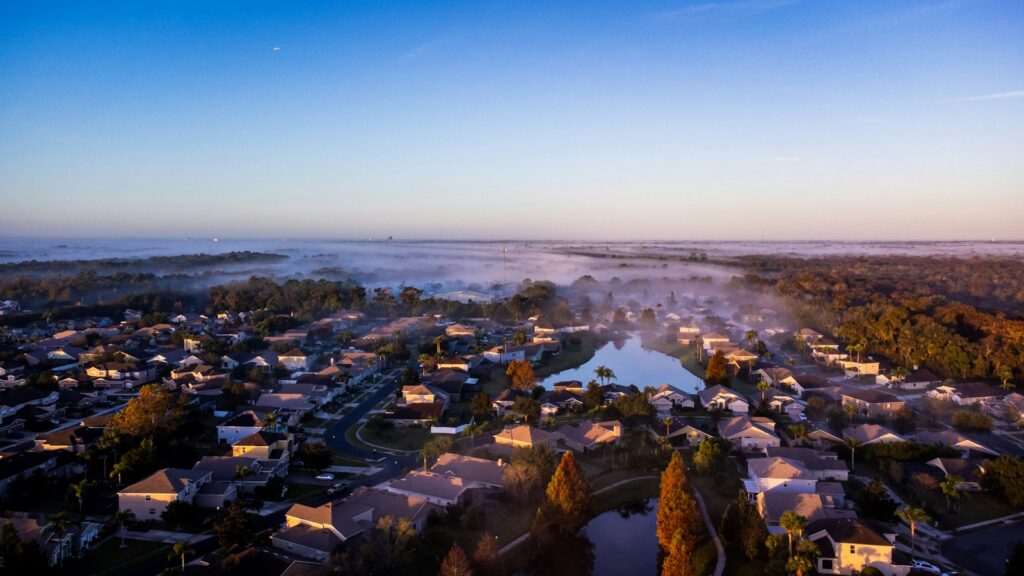
Central Florida has an extensive network of natural and developed lakes, and residential communities have grown around them for generations.
That gives buyers several different versions of waterfront living. One property may sit on a large navigable lake used for boating and skiing, while another may back to a smaller lake intended primarily for views, paddling or fishing.
Those differences can affect both lifestyle and value, so buyers should identify how they actually want to use the water before comparing homes.
The Butler Chain of Lakes
The Butler Chain of Lakes is one of the best-known waterfront systems in the Orlando area.
Located in southwest Orange County around Windermere and the Dr. Phillips area, the Butler Chain consists of 13 interconnected lakes covering more than 5,000 acres of surface water.
Orange County notes that the system is heavily used for boating and water sports. It was also the first lake system in Florida designated as an Outstanding Florida Water because of its water quality and wildlife habitat.
The chain includes some of the area’s most prominent lakefront residential areas and luxury estates.
For a broader look at this part of the metro, see our guide to Windermere and Dr. Phillips neighborhoods.
The Winter Park Chain of Lakes
Winter Park offers a very different version of Central Florida waterfront living.
The city’s chain of lakes is connected by canals and lined with established neighborhoods, historic homes, parks and Rollins College.
The Winter Park Scenic Boat Tour has operated since 1938 and travels through the area’s lakes and canals, offering a good visual sense of how waterfront homes fit into the surrounding community.
Buyers drawn to this area are often looking for a combination of waterfront living and proximity to Park Avenue, dining, shopping and established residential neighborhoods.
Explore our guide to Winter Park and College Park neighborhoods for more context.
The Conway Chain of Lakes
The Conway Chain is another important waterfront area, located only a few miles south of downtown Orlando.
The system includes interconnected portions of Lake Conway and Little Lake Conway and supports recreational activities including boating, fishing and water skiing.
Orange County maintains boating-safety zones throughout parts of the chain, so buyers who plan to use powerboats should understand local navigation and wake restrictions.
Homes around Conway can offer waterfront access while remaining relatively close to downtown Orlando and surrounding employment centers.
Lake Nona and Southeast Orlando
Lake Nona and southeast Orlando also include neighborhoods built around lakes and water features, but buyers should distinguish between true recreational waterfront and homes that simply overlook ponds, retention areas or community lakes.
A water view can be attractive without offering boating, dock or shoreline rights.
When comparing properties in newer planned communities, confirm what type of water body is behind the home and what rights, if any, come with the property.
Lakefront, Lake Access and Lake View Are Not the Same
Waterfront listings can use several different terms, and buyers should verify exactly what each one means for the property.
- Lakefront: the property directly borders a lake or other water body, subject to the property’s recorded boundaries and shoreline conditions
- Lake access: the property does not necessarily own shoreline but may have access through a community boat ramp, dock, easement or other shared facility
- Lake view: the home has a view of the water but may have no legal shoreline ownership or access rights
A survey, title documents, recorded easements and community documents can help determine exactly what rights convey with the home.
Do not assume that a dock shown in listing photos establishes ownership or legal access.
Check the Dock Before You Buy
Existing docks, lifts and boathouses should be part of the due-diligence process.
Orange County requires permits for new boat docks. In unincorporated Orange County, new docks generally require approval from both the Environmental Protection Division and the Building Division. Repairs, additions and modifications may also require authorization.
Municipalities and other agencies may impose additional requirements depending on the property’s location and water body.
Before purchasing, verify:
- Whether the existing dock was permitted
- Whether later additions or modifications were permitted
- The condition of pilings, decking and electrical systems
- Whether a boat lift is included
- Any HOA or architectural restrictions
- Whether future expansion is permitted
Shoreline and Seawall Condition
Waterfront buyers should inspect the shoreline separately from the house.
Orange County regulates shoreline alterations, including seawalls and other stabilization structures. Existing seawalls can represent a major maintenance item, while naturally vegetated shorelines may be subject to environmental protections.
Look for erosion, leaning or cracked seawalls, failing caps, drainage problems and areas where water is washing soil away from the property.
If shoreline work is likely, verify what permits would be required before assuming the bank can simply be redesigned.
Flood Risk and Elevation
Waterfront does not automatically mean the home is in a high-risk flood zone, and being outside a high-risk zone does not mean flooding is impossible.
Review the property’s current FEMA flood-zone designation and any available elevation information before purchasing.
A mortgage lender may require flood insurance depending on the property’s flood-zone designation and loan requirements. Even when coverage is not required, buyers may still choose to purchase it.
Flood coverage is generally separate from a standard homeowners policy.
Our Florida homeowners insurance guide explains some of the broader insurance considerations buyers should understand.
Water Level and Lake Conditions
Not every Orlando-area lake behaves the same way.
Water levels can change due to rainfall, drought, drainage systems, groundwater conditions and lake-management practices.
Buyers should look beyond a single showing and ask about:
- Seasonal water-level changes
- Historical flooding
- Water quality
- Aquatic vegetation
- Algae or invasive-species issues
- Lake-management programs
- Navigation restrictions
Orange County’s Water Atlas provides information about individual lakes, including water-quality and management information for many water bodies.
Can You Boat or Water Ski on the Lake?
Do not assume every waterfront property provides the same boating experience.
Some lakes support powerboats and water skiing, while others have slow-speed or no-wake zones, motor restrictions or limited navigability.
The Butler Chain is extensively used for boating and water sports, while the Conway Chain also supports water-oriented recreation but has designated boating-safety zones in certain areas.
Before buying, confirm:
- Motor restrictions
- No-wake or slow-speed zones
- Canal clearance
- Water depth
- Public or private boat-ramp access
- Boat and lift restrictions imposed by an HOA
What Drives the Price of an Orlando Lakefront Home?
There is no useful single price range for Orlando-area waterfront property because the market covers everything from smaller older homes to large luxury estates.
Several factors can materially affect value:
- The specific lake or chain
- Amount of usable shoreline
- Open-water versus canal location
- Dock and lift condition
- Navigability
- Water quality
- Lot size
- View orientation
- Flood risk
- Home condition and renovation level
A lakefront comparable should ideally be compared with other homes on the same lake or a genuinely similar water body rather than with ordinary inland sales nearby.
Lakefront Homes and Homeowners Insurance
Waterfront location can affect insurance, but the lake itself is only one factor.
Insurers may also consider roof age, construction type, wind mitigation, claims history, property elevation and flood-zone designation.
Buyers should obtain property-specific homeowners and flood-insurance estimates before the inspection period ends.
HOA and Community Rules
In a planned community, ownership of waterfront property does not necessarily mean complete control over the shoreline.
Association documents may regulate:
- Dock design
- Boat lifts
- Boat size
- Exterior lighting
- Shoreline vegetation
- Fences
- Watercraft storage
- Use of community ramps
Review those rules before purchasing if boating or modifying the waterfront is important to you.
What Buyers Should Check Before Purchasing
Before making an offer on an Orlando-area lakefront home, review:
- The survey and actual shoreline boundary
- Lakefront versus lake-access rights
- Recorded easements
- Dock and boathouse permits
- Dock and lift condition
- Seawall or shoreline condition
- Flood-zone designation
- Insurance estimates
- Lake water levels and management history
- Boating and motor restrictions
- HOA waterfront rules
- Recent comparable waterfront sales
Frequently Asked Questions
What are some of the major lake systems around Orlando?
Major waterfront areas include the Butler Chain of Lakes near Windermere and Dr. Phillips, the Winter Park Chain of Lakes and the Conway Chain south of downtown Orlando. Other communities throughout Central Florida also include individual recreational lakes and planned-community water features.
How many lakes are in the Butler Chain?
The Butler Chain consists of 13 interconnected lakes covering more than 5,000 acres of surface water in southwest Orange County.
Can I build a dock on an Orlando-area lakefront property?
Possibly, but docks are regulated. Orange County requires permits for new boat docks, and additional municipal, environmental, HOA or agency approvals may apply depending on the property.
Does lakefront property always require flood insurance?
No. Flood-insurance requirements depend on the property’s flood-zone designation, lender requirements and other factors. Buyers should obtain property-specific flood information and insurance quotes before purchasing.
What is the difference between lakefront and lake access?
Lakefront property directly borders the water, subject to the property’s recorded boundaries. Lake access generally means the owner reaches the lake through a shared ramp, dock, easement or community facility without necessarily owning private shoreline.
Can you water ski on Orlando lakes?
Some Orlando-area lakes support boating and water skiing, including parts of the Butler and Conway chains. Rules vary by lake, and some areas have motor, wake or navigation restrictions.
Explore Lakefront Homes in Orlando
The best Orlando-area waterfront property is not simply the one with the best view. The lake, shoreline, access rights and permitted improvements should all fit the way you plan to use the property.
Start with our Orlando real estate guide, then browse current waterfront homes for sale in Orlando.
When you find a property you are considering, contact DJ & Lindsey Real Estate for help comparing the home, lake, waterfront features and recent comparable sales.
Lake conditions, flood zones, access rights, boating regulations and permitting requirements can change and may vary by property and jurisdiction. Buyers should verify current information with the applicable county or municipality, association, environmental agencies and property-specific records before purchasing.
Keep Reading
Related Articles
Ready to Make Your Move?
Let DJ & Lindsey Help You Find Your Dream Home
Whether you're buying, selling, or just exploring your options, we're here to guide you every step of the way. With deep local expertise across Florida's best markets, we'll help you make the smartest real estate decisions.
Get In Touch
Free Consultation
"*" indicates required fields