

Orlando Housing Market 2026: Prices, Trends & Forecast
Last updated August 2026 with July data from the Orlando Regional REALTOR® Association. We refresh this page quarterly.
The Orlando housing market has shifted into a slower, more balanced phase. Prices have flattened, homes are taking meaningfully longer to sell, and buyers have more room to negotiate than at any point in the last few years. Here’s where the numbers stand and what they mean whether you’re buying or selling.
Where the Orlando Market Stands
| July 2026 | July 2025 | Change | |
|---|---|---|---|
| Median sale price | $389,999 | $395,000 | −1.3% |
| Active inventory | ~11,500 | ~12,900 | −11% |
| Median days on market | ~65 days | ~48 days | +35% |
| Months of supply | ~4.5 months | ~5.0 months | −10% |
| Closed sales | 2,551 | ~2,600 | ~−2% |
Source: Orlando Regional REALTOR® Association, July 2026.
What the numbers are actually saying. Prices are essentially flat year over year, down 1.3%, which after several years of steep gains reads as stabilisation rather than decline. But homes are taking 35% longer to sell — 65 days versus 48 a year ago — and that’s the number that matters most right now.
Inventory is down 11% and supply has tightened slightly to about 4.5 months. That’s an unusual combination: fewer homes on the market, but the ones listed are sitting longer. It means buyers aren’t short of choice so much as unhurried. They’re taking their time, comparing, and walking away from anything priced ahead of the market.
What This Means If You’re Buying
You have leverage you didn’t have two years ago, and it comes from time rather than price. At 65 days on market, sellers are negotiating on more than the number: closing timelines, repairs, rate buydowns and concessions are all genuinely available on homes that have been listed a while.
Days on market is the figure to watch on any listing you’re considering. A home that’s been sitting 90 days is a different negotiation from one listed last week, even at the same asking price.
What This Means If You’re Selling
Pricing correctly on day one matters more than it has in years. With a median of 65 days and inventory tightening, well-priced homes still move — but the market is no longer forgiving an ambitious list price. Overpriced homes don’t sell slowly, they sit, and then they sell for less than they would have.
The upside: with 11% less competition on the market than a year ago, a properly priced and well-presented home has fewer rivals than it did in 2025.
What We Expect Next
[REPLACE THIS PARAGRAPH. Two or three sentences on what you’re seeing on the ground in Orlando right now: rate expectations, seasonal patterns heading into the fall, the new construction pipeline, how buyers are behaving in showings. This is the section that justifies “Forecast” in the title, and it should be your own read rather than restated data.]
Thinking About a Move in Orlando?
We work the Orlando market daily and can tell you what these numbers look like in a specific neighborhood, which is usually a very different picture from the metro average.
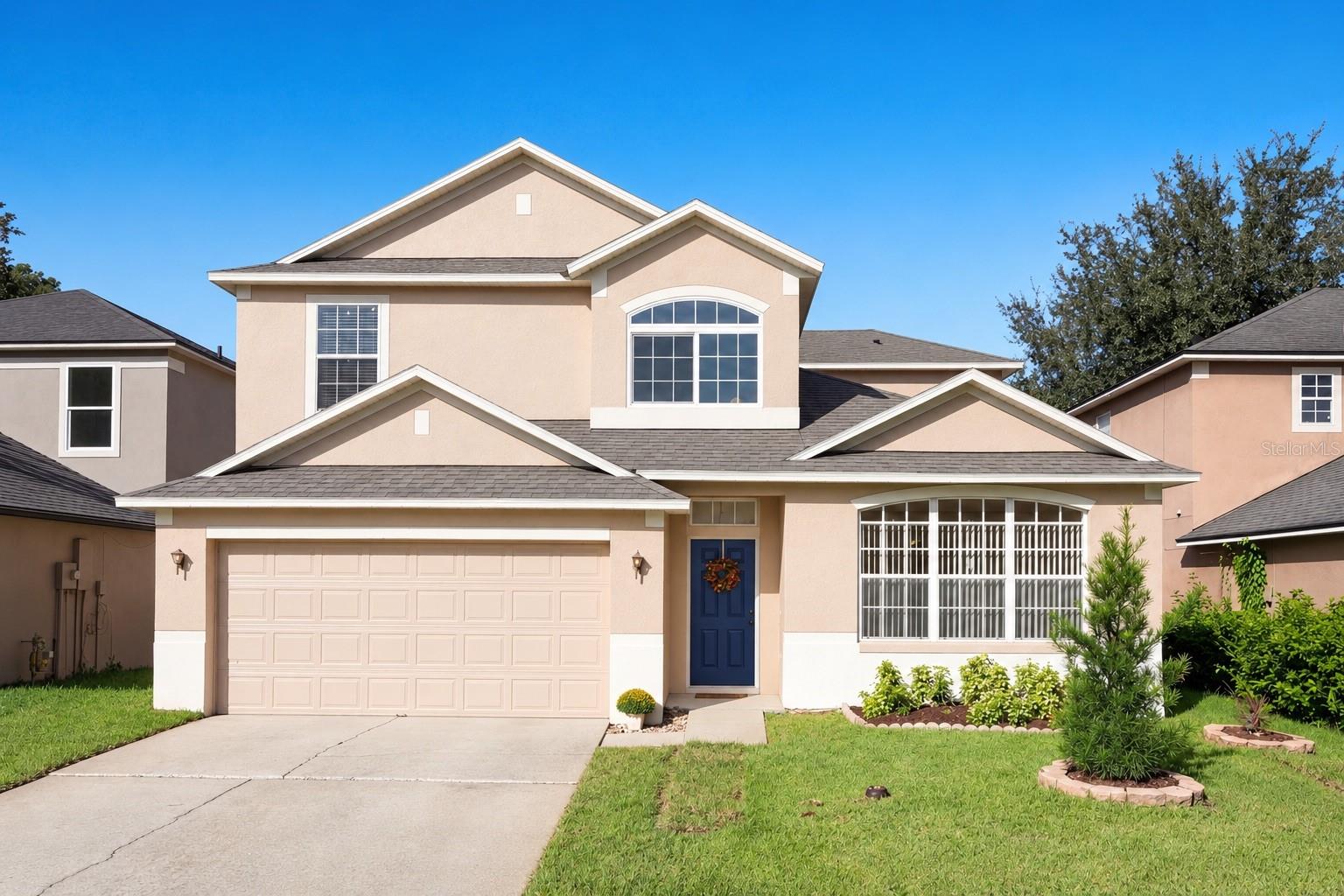
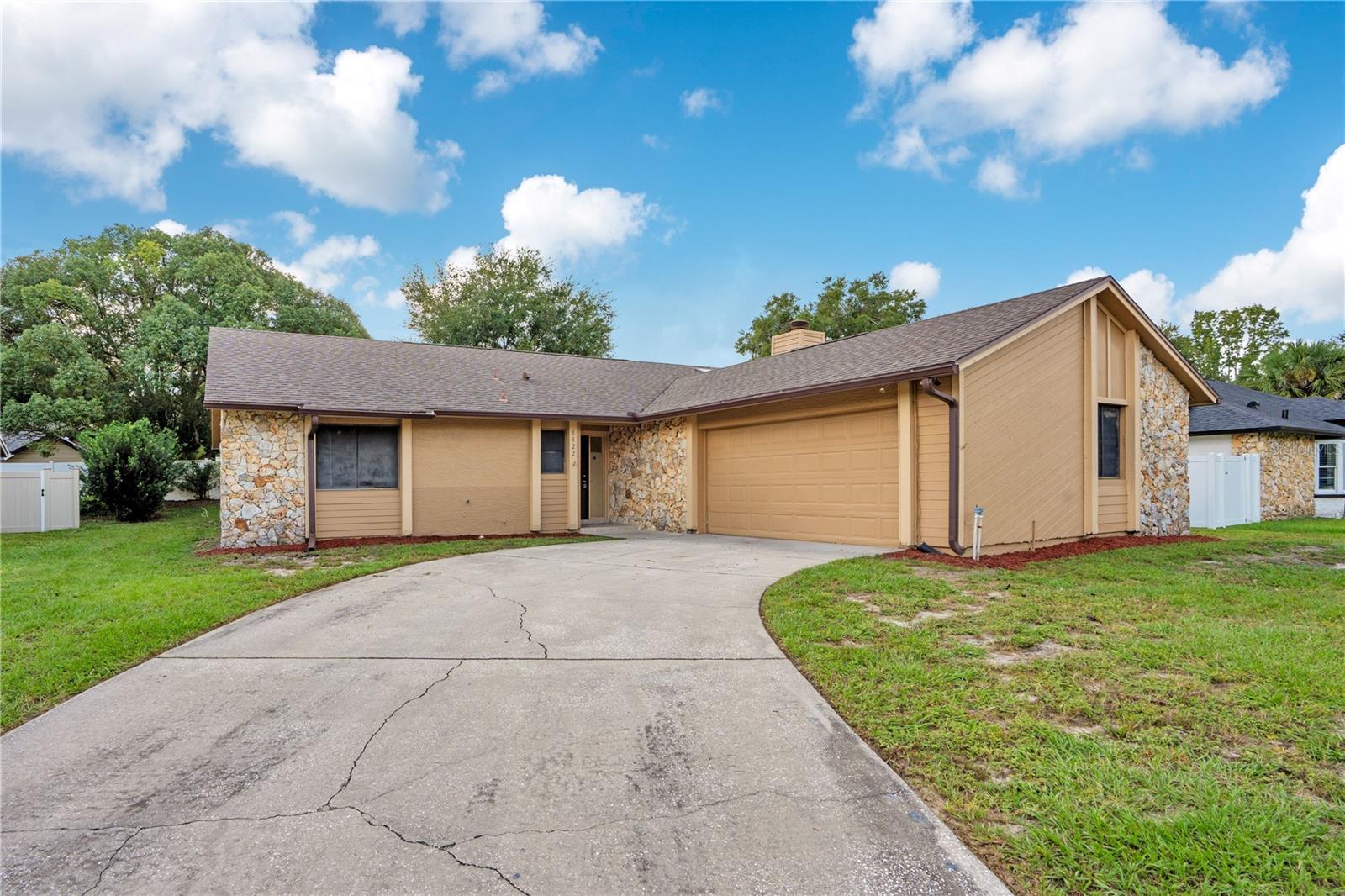
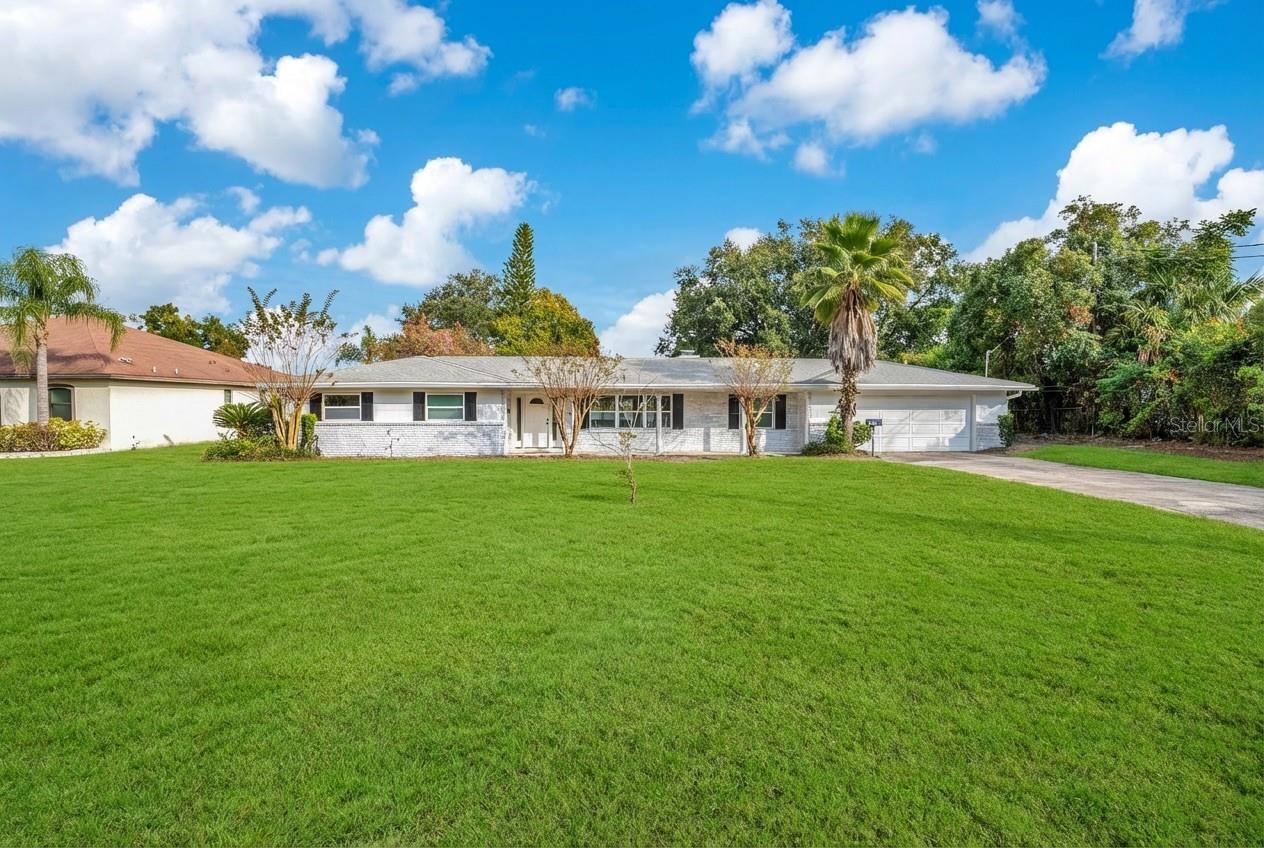
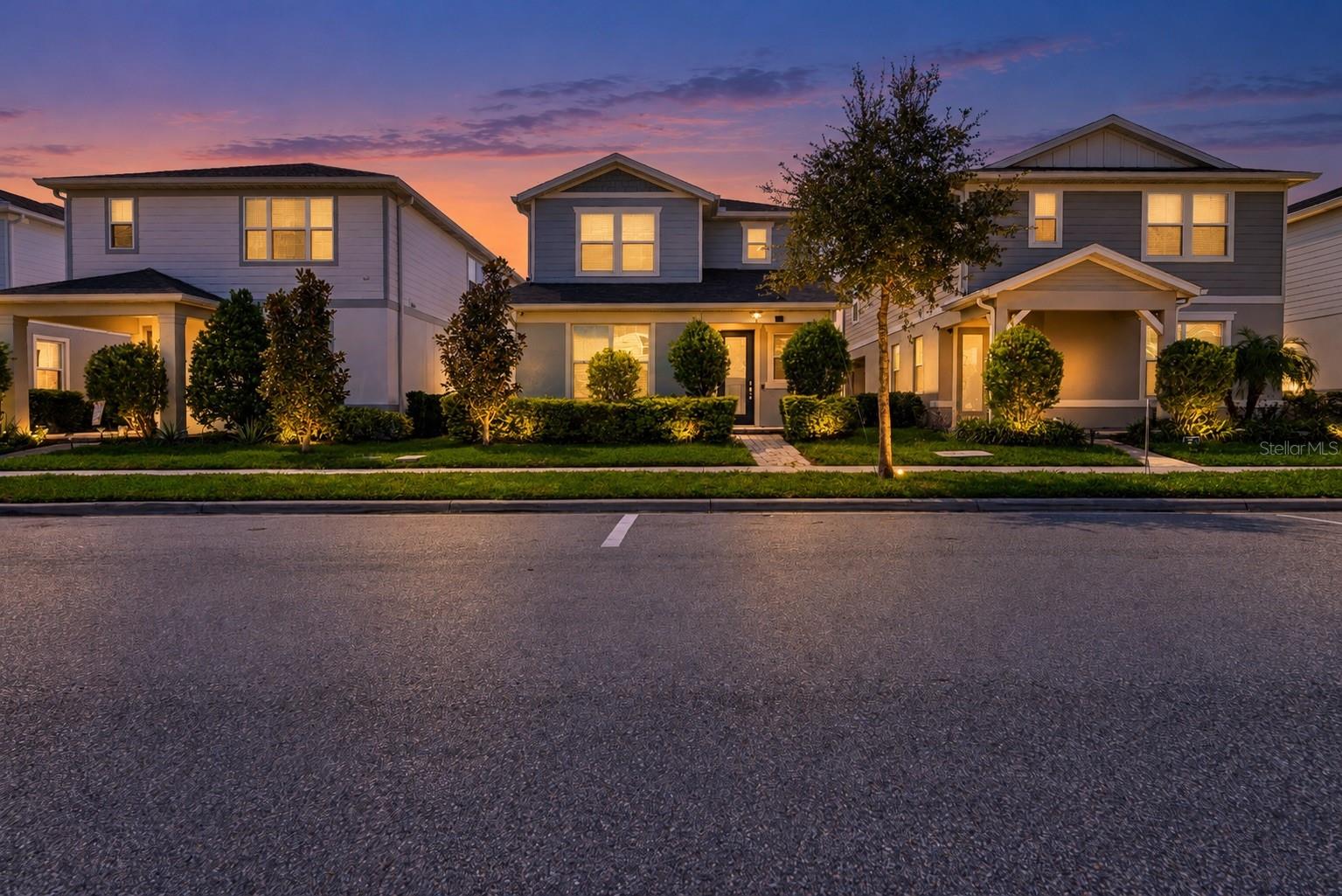
Browse current Orlando neighborhoods and homes for sale, or get in touch and we’ll pull the numbers for the areas you’re considering.
Common Questions
Frequently Asked Questions
Keep Reading
Related Articles



Ready to Make Your Move?
Let DJ & Lindsey Help You Find Your Dream Home
Whether you're buying, selling, or just exploring your options, we're here to guide you every step of the way. With deep local expertise across Florida's best markets, we'll help you make the smartest real estate decisions.
Get In Touch
Free Consultation
"*" indicates required fields