

Land for Sale in St Augustine, FL: A 2026 Buyer’s Guide
Land for sale in St. Augustine gives buyers the option to build a custom home, purchase acreage, or secure a homesite in one of the fastest-growing parts of Northeast Florida. Vacant parcels range from subdivision lots and rural acreage to coastal and waterfront sites, and each comes with its own questions about zoning, utilities, access, flood exposure, wetlands, septic, financing, and development costs.
Buying land requires more due diligence than buying a finished home. A parcel that looks buildable may still have restrictions tied to zoning, setbacks, wetlands, utilities, access, drainage, or community rules, so buyers should investigate those issues before closing.
Why Buyers Consider Land in St. Augustine
Some buyers choose land because they want more control over home design, lot size, privacy, or location than existing inventory provides. Others are comparing a custom build with production-builder homes in newer St. Johns County communities.
Land options vary widely across the area. Buyers may find subdivision homesites near growing corridors such as County Road 210 and Interstate 95, wooded parcels farther west in St. Johns County, acreage near communities such as Hastings and Elkton, or smaller infill and coastal lots closer to St. Augustine.
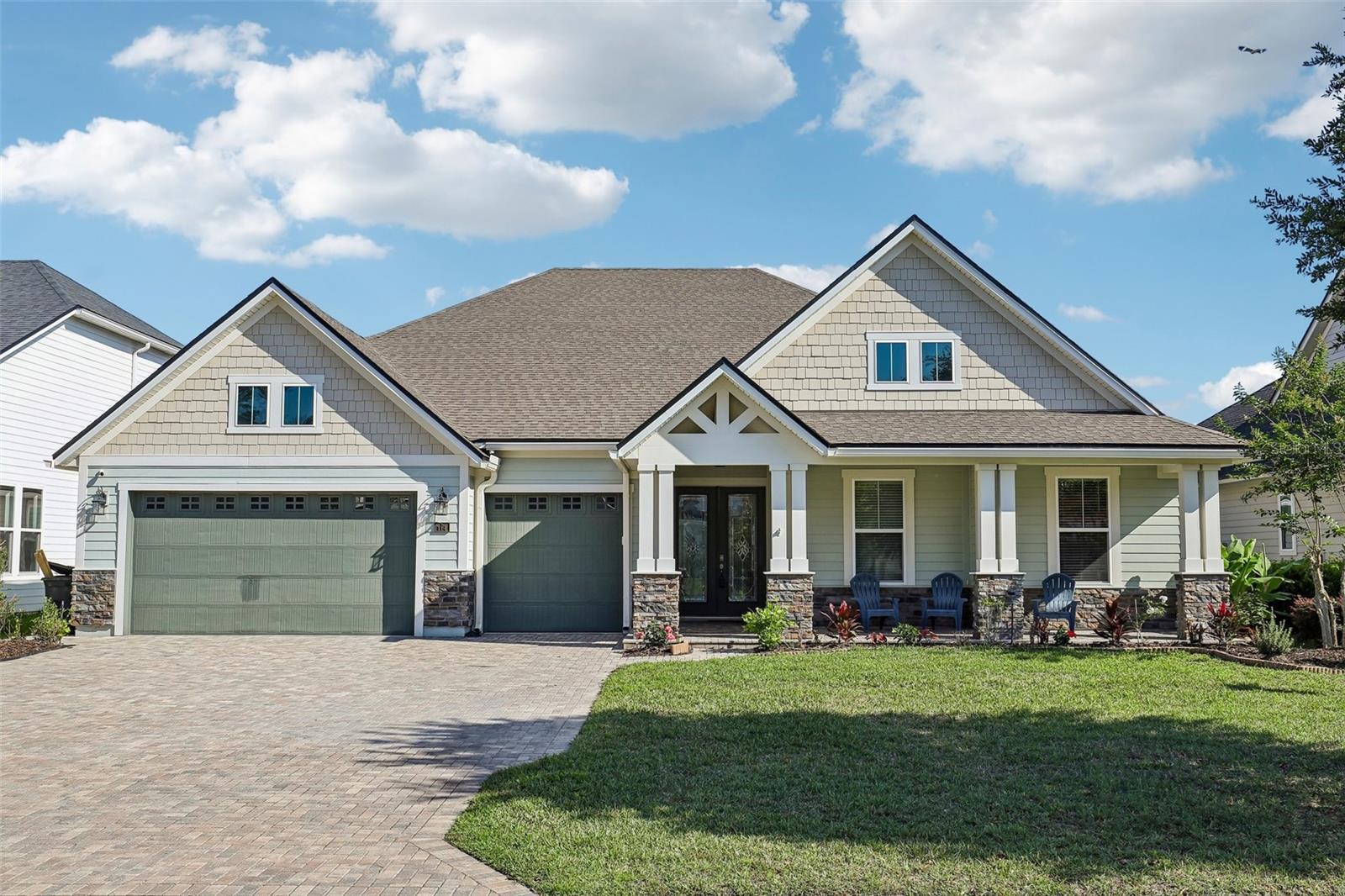
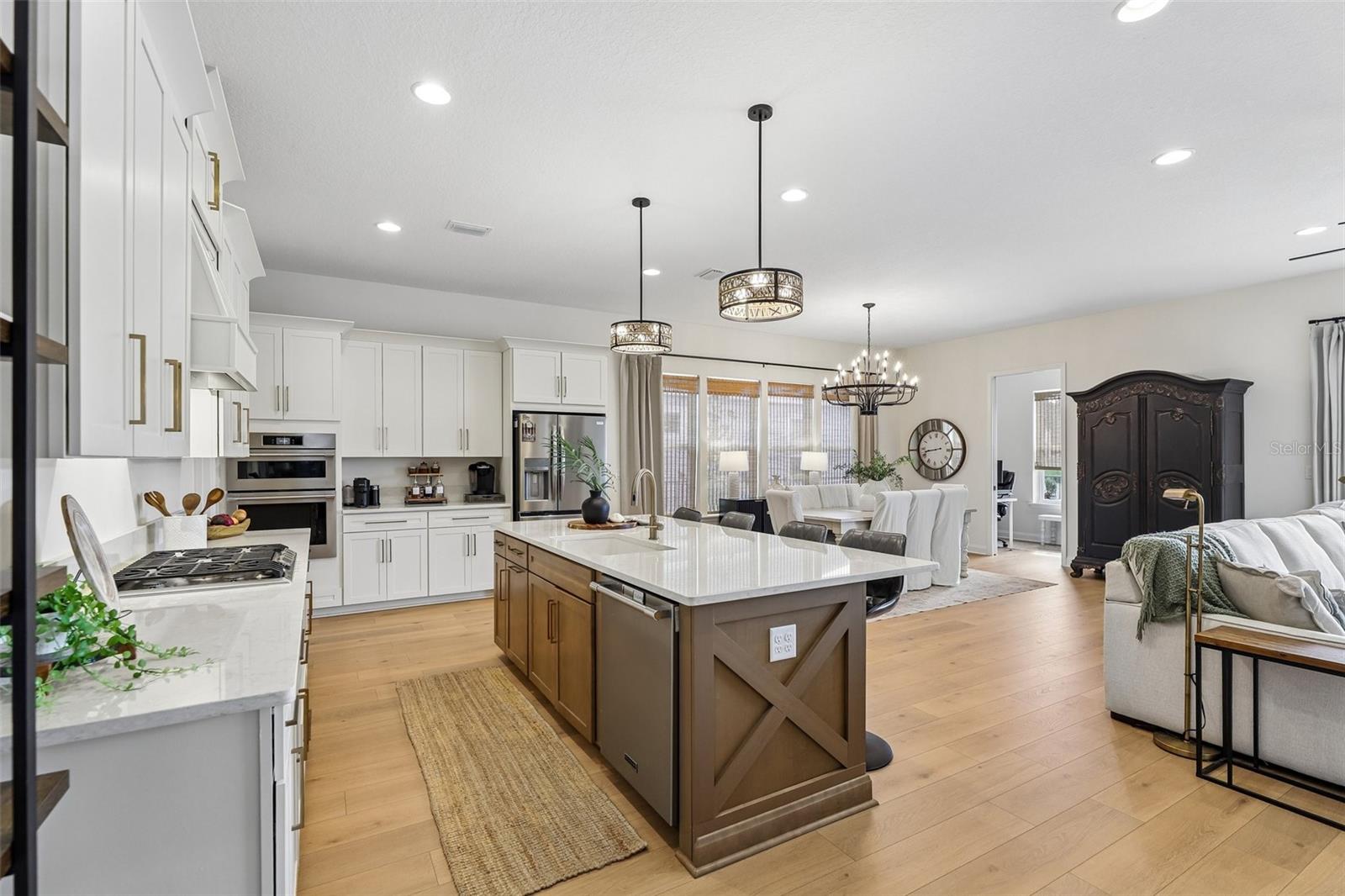
If you are still weighing build versus buy, our St. Augustine new construction guide explains some of the differences between purchasing from a builder and developing your own lot.
What Does Land Cost in St. Augustine?
There is no single useful price range for vacant land because value depends heavily on location, parcel size, zoning, utilities, access, buildable area, flood exposure, wetlands, and proximity to the coast.
A lower-priced parcel can also become expensive to develop if it requires substantial clearing, fill, septic, a private well, utility extensions, drainage improvements, driveway construction, impact fees, or environmental work.
Buyers should compare the purchase price with the estimated total cost to make the property build-ready rather than evaluating the lot price alone.
Check Zoning and Permitted Uses First
Before making an offer, confirm the zoning designation and permitted uses for the specific parcel. Properties in unincorporated St. Johns County are generally governed by the county’s Land Development Code, while parcels within the City of St. Augustine are subject to city regulations.
Zoning can affect the type of home or structure allowed, setbacks, lot coverage, accessory uses, density, and whether certain uses require additional approvals. St. Johns County also notes that some uses require a special-use process rather than being automatically permitted. Review the St. Johns County Land Development Code.
If you are considering a manufactured home, short-term rental use, accessory dwelling, agricultural use, or multiple structures, verify that use specifically rather than assuming a residential zoning label allows it.
Water, Sewer, Wells and Septic
Utility availability can materially change the cost and feasibility of a building lot. Some parcels have access to central water and sewer, while others may require a private well, an onsite sewage treatment and disposal system, or utility extensions.
For parcels that require septic, St. Johns County applicants must complete the applicable onsite sewage permitting process, including a site evaluation that considers soil, topography, and other conditions affecting whether the property can support the proposed system. Review Florida onsite sewage permitting information.
Do not rely solely on a neighboring property’s setup. The exact parcel, proposed home size, soil conditions, water table, and system design can affect what is permitted.
Flood Zones, Elevation and Drainage
Flood risk should be reviewed before purchasing any vacant parcel in St. Augustine or St. Johns County. Buyers should identify the FEMA flood designation, review available elevation information, understand drainage conditions, and determine whether additional fill or foundation requirements may affect the build.
Flood-zone designation is only one piece of the analysis. A property outside a high-risk FEMA zone may still have drainage or stormwater considerations, while waterfront and low-lying parcels can involve additional design and insurance issues.
Our St. Augustine flood zones guide explains the major flood-zone categories and buyer considerations in more detail.
Wetlands and Buildable Area
A parcel’s total acreage is not necessarily the same as its usable or buildable acreage. Wetlands, buffers, drainage areas, easements, setbacks, conservation areas, and access requirements can reduce where a home can actually be placed.
Buyers considering undeveloped or heavily wooded property should consider obtaining an appropriate survey and, where needed, professional environmental or wetlands evaluation during due diligence.
Road Access, Easements and Frontage
Legal and practical access are easy to overlook when evaluating rural land. Confirm that the parcel has legal access to a public or private road and review any easements affecting the property.
Buyers should also determine whether a driveway permit, private-road agreement, maintenance obligation, or additional site work is required. A parcel that appears accessible from a map may not necessarily have the access rights needed for construction.
Impact Fees, Permits and Site-Development Costs
St. Johns County assesses impact fees on qualifying development, and the county currently publishes a phased fee schedule that began with new rates effective March 4, 2026. The actual amount depends on the development and fee category. Review current St. Johns County impact fees.
Building permits and other development approvals may also be required before construction begins. St. Johns County advises applicants to begin with the parcel identification number and obtain required clearances before the building-permit process proceeds. Review St. Johns County building permit information.
Before closing, ask your builder or development professional to prepare an estimated site-work budget that accounts for clearing, grading, fill, driveway work, utilities, well or septic, drainage, permitting, and applicable fees.
How Land Financing Differs From a Home Mortgage
Vacant-land financing can differ significantly from financing an existing home. Loan terms, down-payment requirements, interest rates, appraisal standards, and lender requirements vary based on whether the parcel is improved, unimproved, or raw land and how soon the buyer intends to build.
Buyers planning to build may also explore construction or construction-to-permanent financing. Because lender programs vary considerably, compare current terms with lenders that regularly finance land and construction rather than assuming conventional mortgage rules will apply.
Steps to Buy Land and Build in St. Augustine
- Define the intended use. Know whether you plan to build immediately, hold the land, construct a specific home type, or pursue another permitted use.
- Confirm zoning. Verify the exact zoning classification, permitted uses, setbacks, and any special restrictions.
- Check utilities. Determine whether water and sewer are available or whether a well and septic system will be necessary.
- Review access. Confirm legal road access, easements, frontage, and driveway requirements.
- Evaluate flood and drainage. Review flood-zone information, elevation, stormwater conditions, and potential fill requirements.
- Investigate wetlands and buildable area. Determine how much of the parcel can actually support the planned improvements.
- Estimate development costs. Include clearing, grading, utilities, septic or well work, permits, impact fees, and site improvements.
- Talk with a builder early. A builder can help determine whether the lot works for the home you intend to construct.
Frequently Asked Questions
Is it cheaper to buy land and build in St. Augustine?
Not necessarily. The answer depends on the lot price, site-development costs, utilities, permits, impact fees, construction costs, and the finished home you are comparing it with. Buyers should compare the complete project cost with similar resale and builder inventory.
Can I put a manufactured home on land in St. Johns County?
It depends on the parcel’s zoning and any applicable community restrictions. Buyers should verify that manufactured housing is permitted on the specific property before purchasing.
How do I know if a lot needs septic?
First determine whether central sewer service is available to the parcel. If it is not, an onsite sewage system may be required. The site must then meet applicable permitting and site-evaluation requirements.
Can wetlands prevent me from building on a lot?
Wetlands and associated buffers can reduce the usable area of a parcel and may affect where development can occur. Buyers considering undeveloped land should determine whether environmental review is appropriate before closing.
What should I check before buying vacant land in St. Augustine?
Review zoning, permitted uses, setbacks, utilities, septic feasibility, legal access, easements, flood exposure, wetlands, drainage, impact fees, community restrictions, and estimated site-development costs.
Where can I find land for sale in St. Augustine?
You can browse active parcels using our St. Augustine land search. Before making an offer, verify zoning, utilities, access, and other property-specific conditions.
Explore St. Augustine and St. Johns County
For neighborhoods, market information, buyer resources, and relocation guidance throughout the area, explore our St. Augustine and St. Johns County real estate guide.
Ready to Find Land in St. Augustine?
DJ & Lindsey helps buyers evaluate land and homesites throughout St. Augustine and St. Johns County. Browse current land listings or contact our team to discuss the type of property you are looking for.
Common Questions
Frequently Asked Questions
Keep Reading
Related Articles

Ready to Make Your Move?
Let DJ & Lindsey Help You Find Your Dream Home
Whether you're buying, selling, or just exploring your options, we're here to guide you every step of the way. With deep local expertise across Florida's best markets, we'll help you make the smartest real estate decisions.
Get In Touch
Free Consultation
"*" indicates required fields