

Houses for Sale in Orlando: Should You Buy in July 2026?
If you are searching for houses for sale in Orlando in fall 2026, the market looks very different from the bidding-war years earlier in the decade. Buyers have more inventory to choose from, homes are taking longer to sell, and prices have been relatively stable. The trade-off is financing: mortgage rates have moved back above 7%, which makes the monthly payment just as important as the purchase price.
So, is now a good time to buy a home in Orlando?
There is no universal yes-or-no answer. The better question is whether today’s combination of price, inventory, financing and negotiating room works for your budget and timeline.
Here is what the latest 2026 Orlando housing data says, where buyers may have leverage, and what to consider before deciding whether to buy now or wait.
Orlando Housing Market: Fall 2026 Snapshot
The Orlando-area market has moved closer to balance.
| Orlando-area market metric | September 2026 |
|---|---|
| Median sale price | $399,610 |
| Homes sold | 2,325 |
| Homes in inventory | 12,464 |
| Average days on market | 66 days |
| Months of supply | About 5.3 months |
Source: Orlando Regional REALTOR® Association September 2026 market data. Orlando-area statistics include a broader regional market and should not be interpreted as City of Orlando-only figures.
For comparison, Redfin reported a three-month median sale price of approximately $405,000 within the City of Orlando through September 2026, down about 2.5% from a year earlier. City homes were taking a median of about 61 days to sell.
Those numbers point to a market that has cooled from the fastest years without experiencing a dramatic collapse in values.
For a broader overview of local communities, visit our Orlando real estate and neighborhoods guide.
Are Orlando Home Prices Falling?
Prices have softened somewhat, but the answer depends on which geography and property type you are looking at.
The Orlando Regional REALTOR® Association reported a September 2026 median price of about $399,610 across its regional market, slightly below August and slightly below the prior year.
Within the City of Orlando, Redfin reported a median sale price of approximately $405,033 over the three months ending September, down 2.5% year over year.
That does not mean every Orlando home has lost 2.5% of its value.
Median prices can move because of changes in the mix of homes sold. A neighborhood of lakefront homes in Dr. Phillips, a townhome community in Lake Nona and an older single-family neighborhood near downtown Orlando can all move differently at the same time.
Buyers should therefore use current comparable sales for the specific home and neighborhood rather than applying one metro-wide percentage to every property.
Orlando Buyers Have More Homes to Choose From
One of the biggest changes from the peak pandemic market is selection.
Orlando-area inventory reached approximately 12,464 homes in September 2026, while supply moved to roughly 5.3 months.
A six-month supply is commonly used as a rough benchmark for a balanced housing market, although conditions can still vary dramatically by neighborhood and price range.
For buyers, additional inventory can mean:
- More time to compare properties
- More opportunity to complete inspections
- More competing listings for sellers
- Potential negotiating room on homes that have been sitting
- Less pressure to waive normal due diligence
That does not mean every Orlando listing is negotiable. An appropriately priced home in a desirable neighborhood can still attract multiple interested buyers.
How Long Are Orlando Homes Taking to Sell?
The Orlando Regional REALTOR® Association reported an average of about 66 days on market in September 2026.
Within Orlando city limits, Redfin reported a median of about 61 days over the three months ending September.
Longer marketing times can create opportunities for buyers, particularly when a property has:
- Been on the market longer than comparable homes
- Already received a price reduction
- Returned to market after a prior contract
- Competing listings nearby
- Condition or updating issues
Days on market should be evaluated against similar properties, though. Sixty days may be unusually long for one neighborhood and perfectly normal for another.
Mortgage Rates Are the Biggest Challenge for Orlando Buyers Right Now
Financing costs have moved higher again this fall.
Freddie Mac reported that the average 30-year fixed mortgage rate was 7.40% as of October 15, 2026. The 15-year fixed average was 6.71%.
Those are national averages rather than the rate every Orlando borrower will receive. Your actual mortgage rate depends on factors including:
- Credit profile
- Down payment
- Loan program
- Loan amount
- Occupancy
- Points or lender credits
- Market conditions when you lock
At today’s rates, buyers should shop based on the full monthly payment, not simply the maximum purchase price a lender will approve.
Should You Wait for Mortgage Rates to Fall?
No one can reliably predict exactly when mortgage rates will fall or how far they will move.
Waiting can make sense if:
- Your current monthly payment would feel uncomfortable
- You need more time to build emergency reserves
- Your credit profile is likely to improve materially
- You are uncertain whether you will remain in Central Florida
- You would need to stretch financially to buy today
Buying now may make sense if:
- The payment fits comfortably within your budget
- You expect to remain in the home long enough to justify transaction costs
- You have adequate cash reserves after closing
- You find a property that fits your long-term needs
- The seller is offering terms that improve the economics of the purchase
The decision should not depend entirely on hoping that rates move in one particular direction.
If rates eventually decline, refinancing may be an option, but refinancing is never guaranteed and comes with its own qualification requirements and costs.
Can Orlando Buyers Negotiate in 2026?
Yes, on some properties.
With more inventory and longer marketing times, sellers may be more willing to discuss terms than they were during the fastest-moving years.
Depending on the home, negotiations can involve:
- Purchase price
- Closing-cost contributions
- Repair credits
- Interest-rate buydowns
- Closing date
- Personal property
- Builder incentives on new construction
The amount of leverage depends on the property.
A newly listed home priced correctly may give a buyer very little negotiating room. A listing that has been sitting for several months may be a very different conversation.
What Is a Seller-Paid Mortgage Rate Buydown?
A seller concession can sometimes be used toward allowable financing costs, including certain mortgage-rate buydown structures.
There are generally two concepts buyers may hear about:
Permanent Rate Buydown
Discount points are paid at closing to reduce the mortgage interest rate for the life of the loan.
Temporary Rate Buydown
A temporary buydown uses funds paid at closing to subsidize part of the borrower’s payment during the first one or more years of the loan.
A common example is a 2-1 buydown, where the effective payment is calculated using a rate two percentage points below the note rate in year one and one point below in year two before reaching the full note-rate payment.
However, program rules differ. A lender should explain whether a buydown is available, who may fund it and how the borrower must qualify.
Do not choose a home based on an advertised low first-year payment without understanding the permanent payment that follows.
Where Can Buyers Find More Affordable Homes Around Orlando?
“Orlando” is often used to describe a much larger Central Florida housing market.
Buyers willing to look outside the City of Orlando frequently compare communities in Orange, Seminole, Osceola and Lake counties.
Apopka
Apopka offers a mix of established neighborhoods and newer construction northwest of Orlando.
Buyers may find larger homes or newer construction at prices below some close-in Orlando and Winter Park neighborhoods, but commute routes and individual community fees should be compared carefully.
Sanford
Sanford is in Seminole County north of Orlando and offers everything from historic housing near downtown to newer suburban communities.
SunRail service is available in the area, although actual commute usefulness depends on where you work and the station schedule.
Kissimmee
Kissimmee is in Osceola County rather than Orlando or Orange County.
It often appears in Orlando-area home searches because of its proximity to major employment and tourism areas, but buyers should account for different property taxes, school systems, commute patterns and community structures.
Clermont and Minneola
Clermont and Minneola are in Lake County west of Orlando. Both have experienced substantial residential growth and contain established neighborhoods as well as new construction.
For buyers comparing price with commute, it is important to test the drive during the actual hours you expect to travel rather than relying on a generic online estimate.
Our guide to more affordable homes around Orlando provides additional options.
What Can $400,000 to $500,000 Buy Around Orlando?
A $400,000 to $500,000 budget can reach several different property types depending on where you search.
Buyers may encounter:
- Single-family homes in parts of Orlando and surrounding suburbs
- Townhomes in newer master-planned communities
- Condos in central and southwest Orlando
- New-construction opportunities in outer Orange County and surrounding counties
- Older homes in closer-in neighborhoods that may require updates
The same budget can look very different in Winter Park, Lake Nona, Horizon West, Apopka or Kissimmee.
See our guide to what $500K buys in Orlando in 2026 for a neighborhood-by-neighborhood comparison.
New Construction Can Change the Buying Math
Orlando-area new construction remains an important option for buyers, particularly in growing suburban areas.
Builders may offer incentives such as:
- Closing-cost assistance
- Rate buydowns
- Design-center credits
- Appliance packages
- Lot-premium discounts
An incentive does not automatically make a new home less expensive than a resale.
Compare:
- Purchase price
- Interest rate and financing terms
- HOA dues
- CDD or other special-district assessments
- Lot premiums
- Window treatments and appliances
- Landscaping and fencing
- Property taxes after completion
Our Orlando new-construction buyer guide explains builder contracts, incentives and inspections in more detail.
Down Payment Assistance for Orlando Buyers
Some Florida buyers may qualify for state or local assistance programs, but eligibility and available funding can change.
Florida Hometown Heroes
The 2026 Florida Hometown Heroes program is designed for qualifying first-time, income-qualified buyers working full time in eligible Florida occupations, including certain healthcare, school, public-safety, court and child-care roles, along with eligible servicemembers and veterans.
Florida Housing currently describes assistance of up to 5% of the first mortgage amount, with a maximum of $35,000 and minimum of $10,000, provided through a 0% deferred second mortgage.
Program funding, occupation eligibility, income limits and loan limits should be verified with an approved participating lender before relying on the assistance.
FHA Financing
FHA loans can allow qualifying buyers to purchase with a relatively low down payment. Credit, debt-to-income requirements, mortgage insurance and property eligibility still apply.
VA Financing
Eligible veterans, servicemembers and certain surviving spouses may qualify for VA financing, which can offer no-down-payment options subject to VA and lender requirements.
USDA Financing
USDA Rural Development loans may provide zero-down financing for eligible borrowers purchasing eligible properties.
Eligibility is address-specific. Do not assume an entire community such as Clermont, Minneola or outer Osceola County automatically qualifies; check the actual property using USDA’s eligibility tools.
Renting vs. Buying in Orlando in 2026
The decision should be based on more than comparing rent with a mortgage payment.
Ownership can include:
- Mortgage principal and interest
- Property taxes
- Homeowners insurance
- HOA or CDD assessments
- Maintenance
- Repairs
- Closing costs
- Future selling costs
Renting can provide greater flexibility and fewer maintenance responsibilities.
Buying can provide long-term control over the property and the possibility of building equity, but appreciation is never guaranteed.
For a more detailed comparison, see our Orlando renting vs. buying guide.
Questions to Ask Before Buying a House in Orlando
Before making an offer, ask:
- How long has this home been on the market?
- Has the seller reduced the price?
- What have comparable homes actually sold for?
- Are there competing offers?
- What will property taxes likely look like after purchase?
- What does homeowners insurance cost for this specific property?
- Does the home have HOA or CDD assessments?
- Are there upcoming association assessments?
- What major systems are approaching replacement?
- Would the seller consider closing-cost assistance or other concessions?
The asking price is only one number in the transaction.
Is Now a Good Time to Buy a House in Orlando?
For some buyers, yes. For others, waiting is the better financial decision.
The fall 2026 Orlando market has several buyer-friendly characteristics:
- More inventory than during the peak shortage
- Longer marketing times
- Prices that have been relatively stable rather than rapidly accelerating
- More opportunity to negotiate on some listings
At the same time, a 7%+ mortgage environment creates a significant affordability constraint.
A buyer who can comfortably afford today’s payment, plans to stay in Central Florida and finds the right home may have opportunities that were difficult to find during the bidding-war years.
A buyer who would be financially stretched by today’s payment may be better served by continuing to save, improving credit or waiting until the numbers work more comfortably.
The market should fit your finances — not the other way around.
Frequently Asked Questions About Houses for Sale in Orlando
What is the median home price in Orlando in 2026?
The Orlando Regional REALTOR® Association reported a regional median sale price of approximately $399,610 for September 2026. Redfin reported a three-month median of approximately $405,033 within the City of Orlando. The appropriate benchmark depends on the exact area and property type.
How long are Orlando homes taking to sell?
The Orlando Regional REALTOR® Association reported an average of about 66 days on market in September 2026. Redfin reported a median of about 61 days within Orlando city limits over the three months ending September.
What are mortgage rates right now?
Freddie Mac reported that the national average 30-year fixed mortgage rate was 7.40% as of October 15, 2026. Individual borrowers may receive higher or lower rates based on their credit, loan program, down payment and other factors.
Is Orlando currently a buyer’s market?
The Orlando-area market is closer to balance than it was during the peak inventory shortage. September 2026 supply was about 5.3 months, compared with a commonly used six-month benchmark for a balanced market. Individual neighborhoods and price ranges can still favor buyers or sellers differently.
Are Orlando home prices dropping?
Prices have softened modestly in some measures rather than experiencing a broad collapse. City of Orlando median prices were down about 2.5% year over year in Redfin’s three-month September data, while Orlando-area regional prices remained close to their prior-year level.
Should I wait for mortgage rates to fall before buying?
That depends on your finances and timeline. Mortgage-rate movements cannot be predicted reliably. Buyers should determine whether today’s full payment is comfortable rather than purchasing based on an assumption that refinancing will definitely be available later.
Can Orlando buyers get seller concessions?
Potentially. Some sellers may negotiate closing costs, repairs, price or allowable mortgage-rate buydowns, particularly when a property has been on the market longer or faces significant competition. Concessions are property- and loan-specific.
What areas around Orlando may offer more affordable homes?
Buyers often compare Apopka, Sanford, Kissimmee, Clermont, Minneola and other surrounding communities when looking beyond central Orlando. These areas are in different counties and can have different taxes, schools, fees and commute patterns.
Explore Houses for Sale in Orlando
The Orlando market in fall 2026 gives buyers something they did not have much of during the fastest years: time and choice.
That does not make every home a bargain, and today’s mortgage rates make careful budgeting essential. But buyers who understand their payment, compare neighborhoods and evaluate each property on its own merits can shop from a much stronger information position.
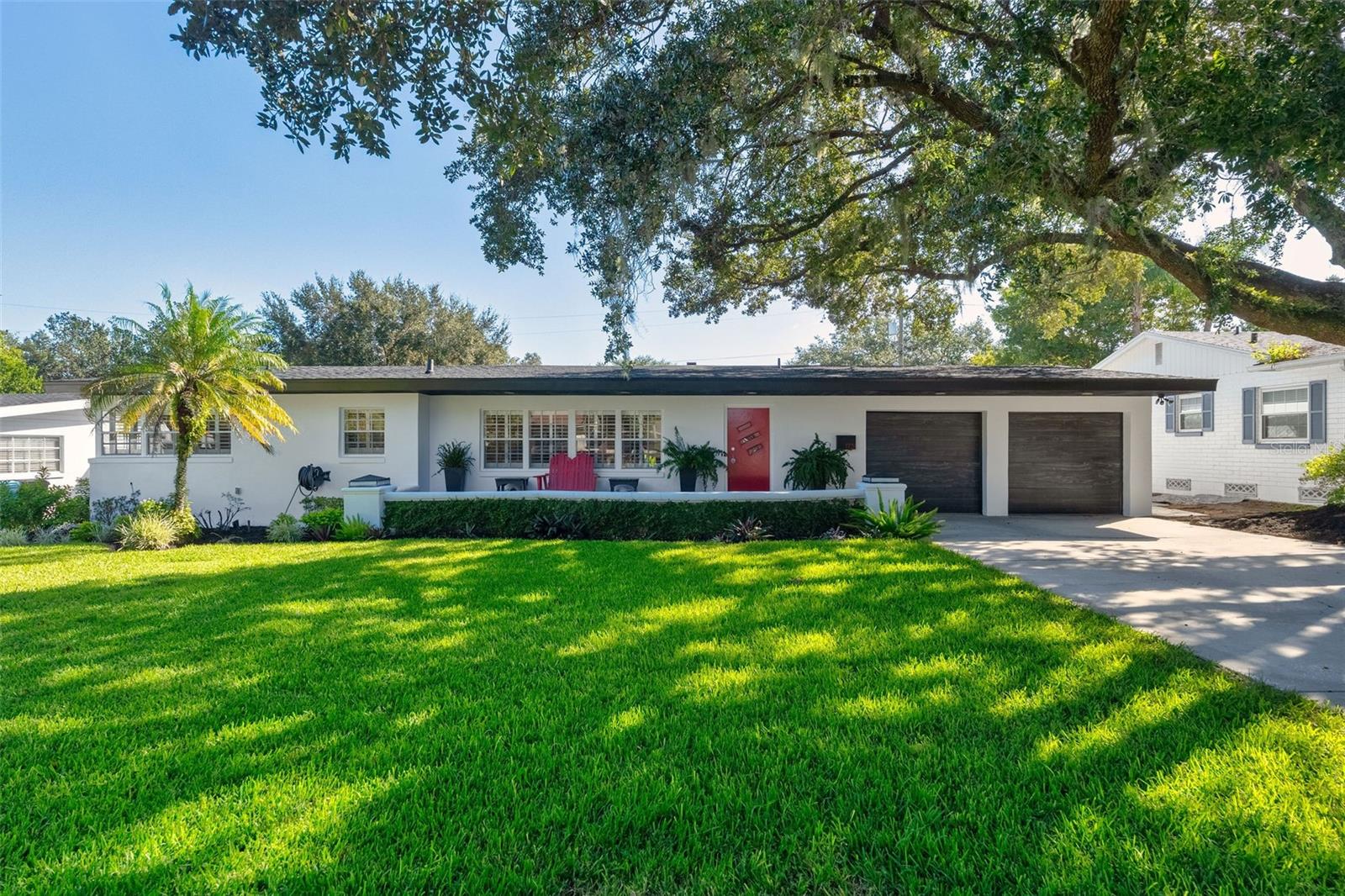
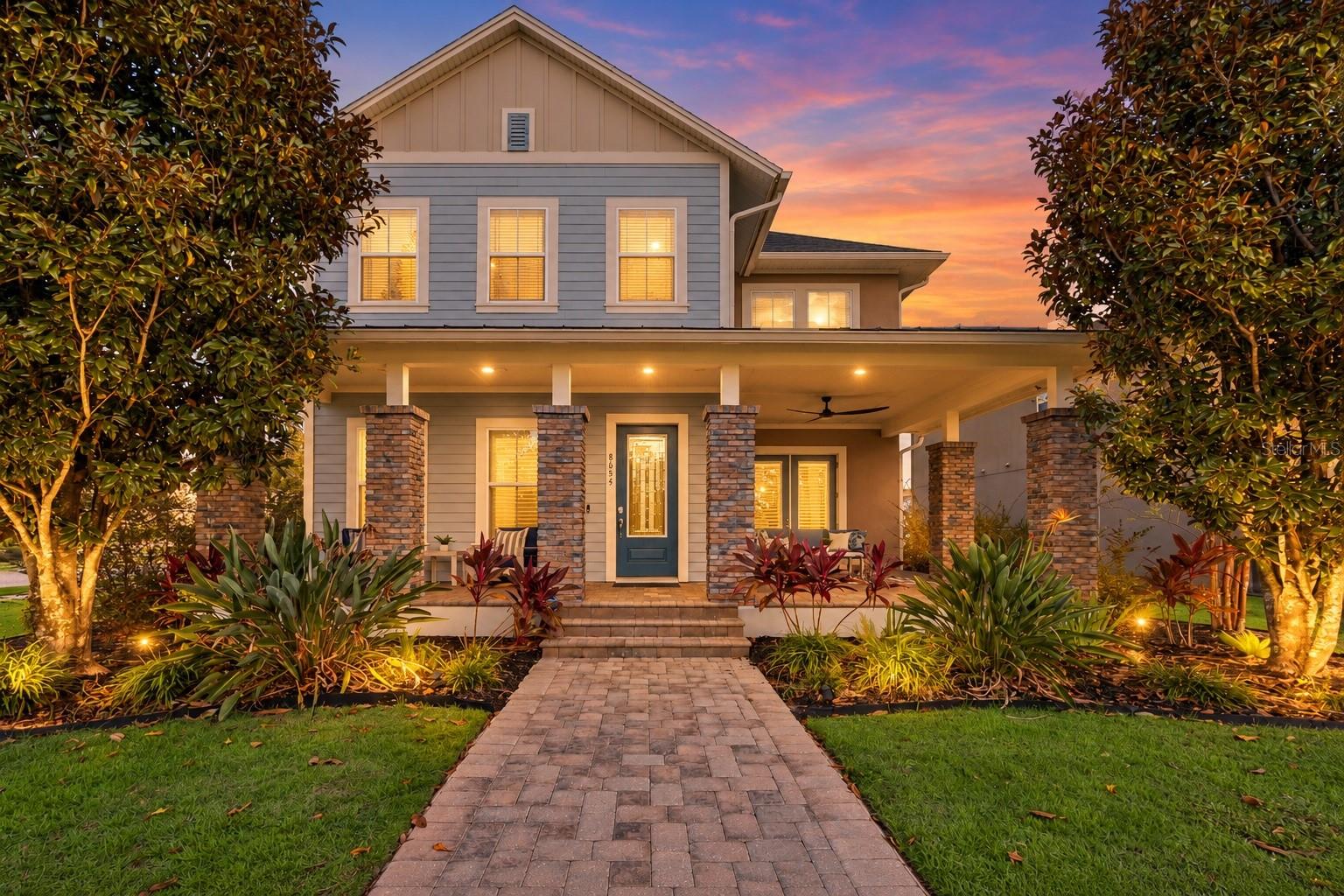
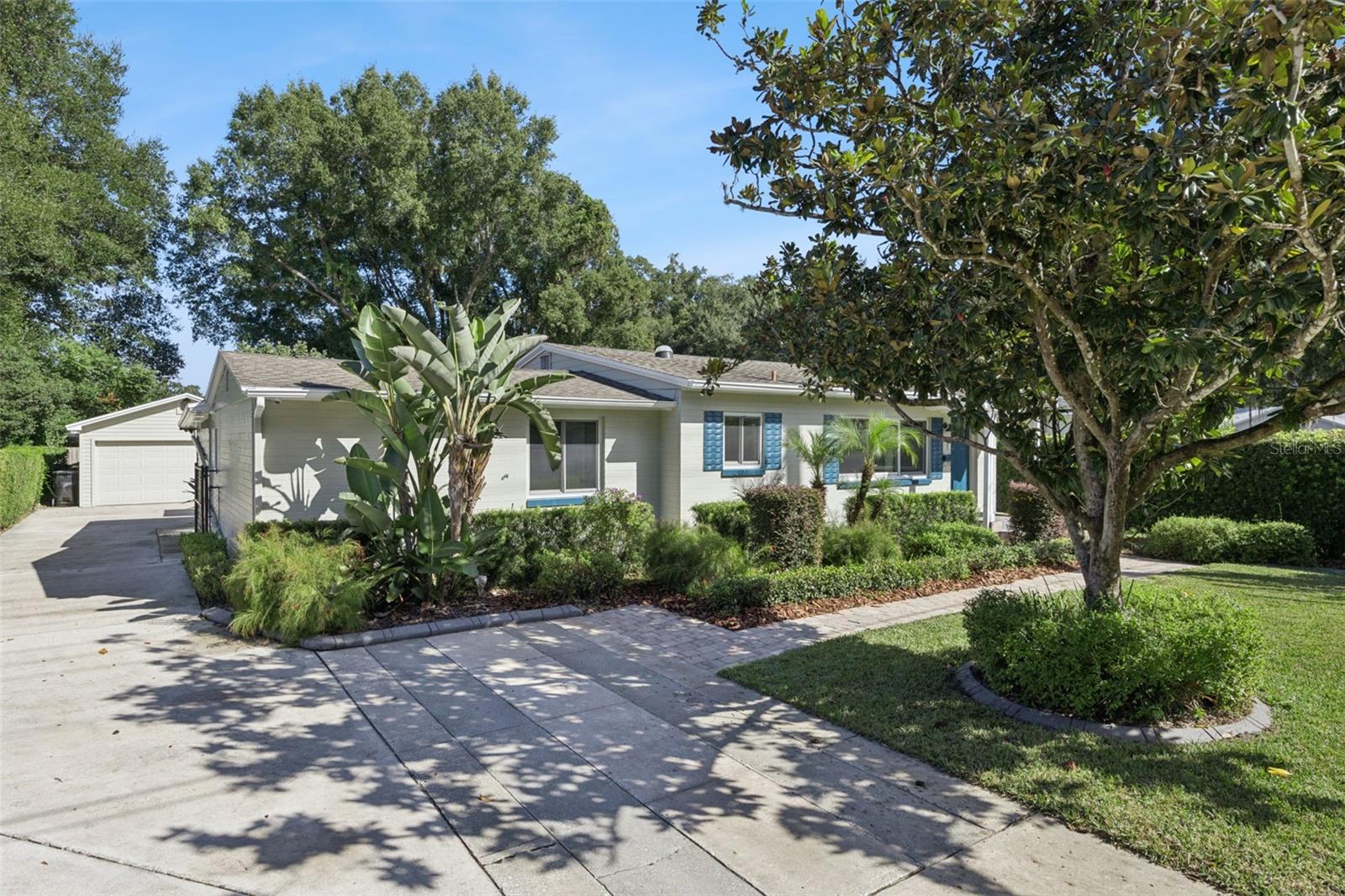
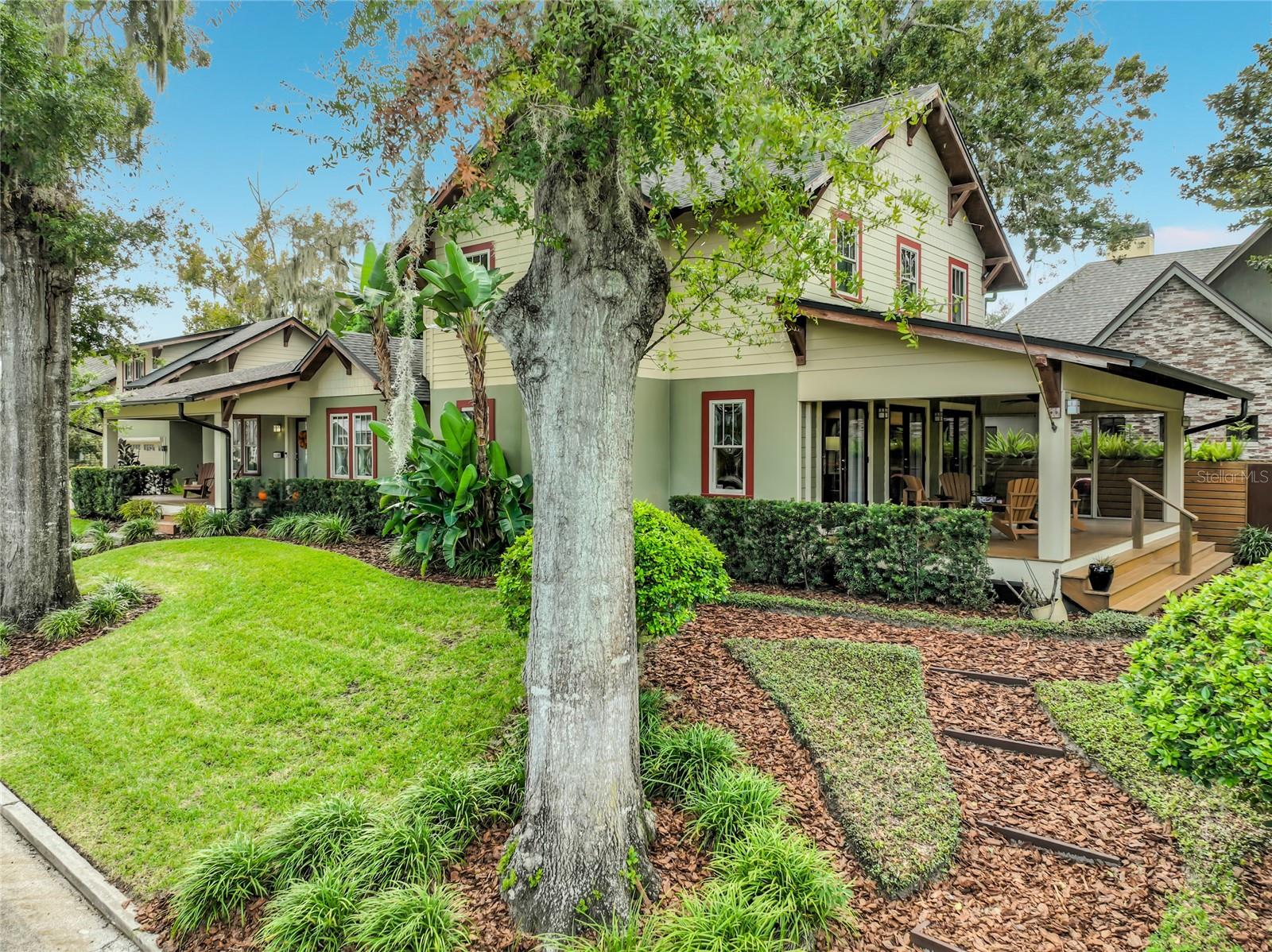
Browse current houses for sale in Orlando and Central Florida, or contact DJ & Lindsey Real Estate for help narrowing neighborhoods, evaluating current listings and building a purchase strategy around your actual budget.
Sources
Common Questions
Frequently Asked Questions
Keep Reading
Related Articles



Ready to Make Your Move?
Let DJ & Lindsey Help You Find Your Dream Home
Whether you're buying, selling, or just exploring your options, we're here to guide you every step of the way. With deep local expertise across Florida's best markets, we'll help you make the smartest real estate decisions.
Get In Touch
Free Consultation
"*" indicates required fields