

Cost of Living in St Augustine, FL: A 2026 Guide
The cost of living in St. Augustine depends heavily on housing, insurance, taxes, and how close you want to live to the coast or historic core. Buyers can choose from historic neighborhoods, beach communities, established suburban areas, newer master-planned developments, and more inland parts of St. Johns County, each with a different ownership-cost profile.
Florida’s lack of a personal state income tax can also affect the overall relocation calculation, particularly for buyers moving from states with higher income-tax burdens. Housing, insurance, property taxes, transportation, and lifestyle spending should still be evaluated together rather than relying on a single cost-of-living number.
What Drives the Cost of Living in St. Augustine?
Housing is usually the largest variable. Properties near downtown St. Augustine, the beaches, waterfront areas, and highly amenitized communities can carry very different costs from homes farther inland or in more established suburban neighborhoods.
Insurance is another important factor. Home age, roof condition, wind mitigation features, flood-zone status, construction type, and proximity to the coast can all affect premiums.
Transportation also matters because much of St. Augustine and St. Johns County is car-oriented. Buyers should consider commute patterns, fuel, auto insurance, tolls where applicable, and how frequently they expect to travel into Jacksonville or other employment centers.
Housing Costs in St. Augustine
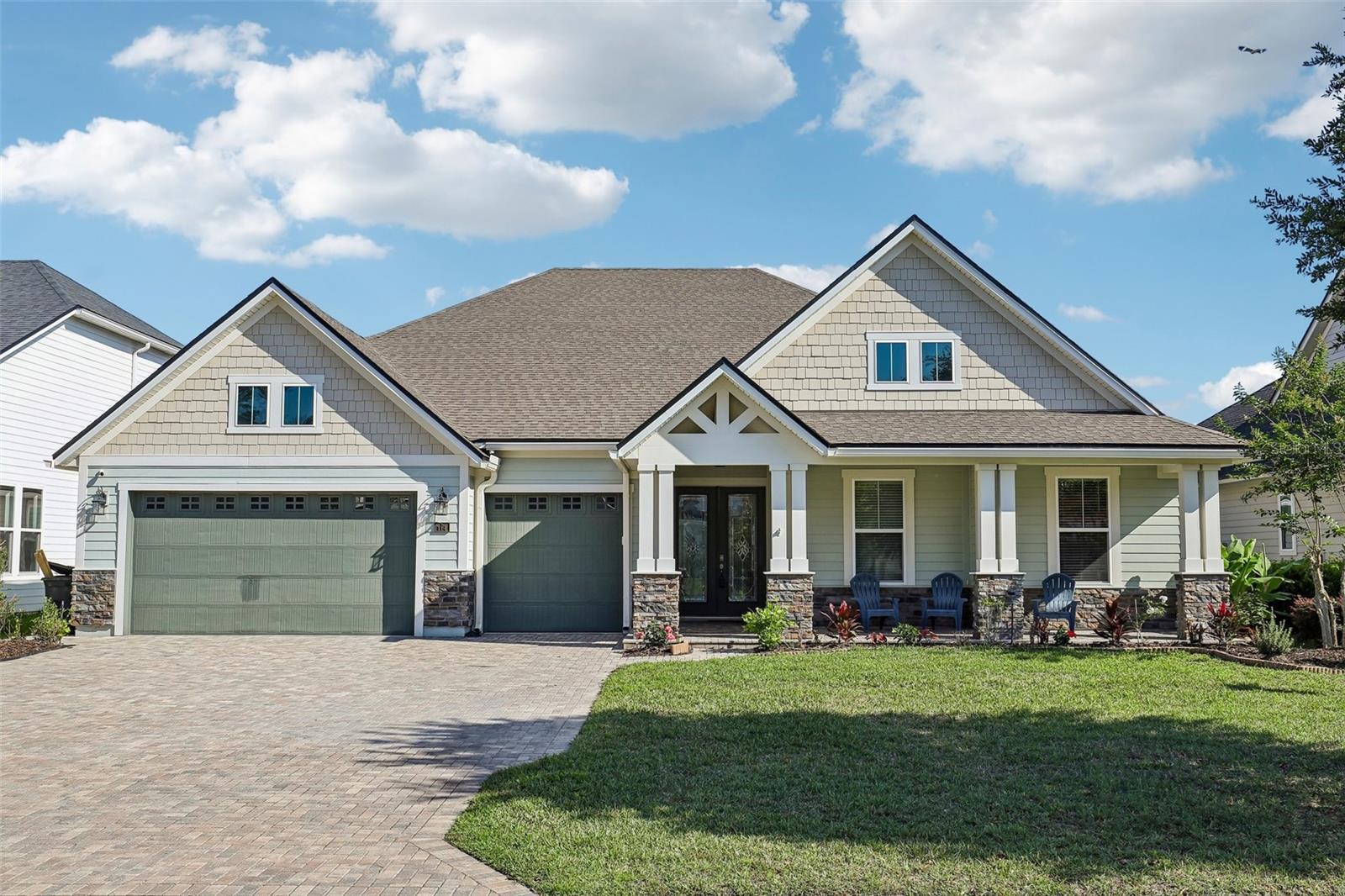
Home prices vary significantly by location, property type, age, and proximity to the coast. Historic downtown, St. Augustine Beach, Vilano Beach, waterfront areas, and newer master-planned communities can all behave differently from one another.
Instead of relying on a single countywide median, buyers should compare current listings and recent sales in the specific neighborhoods they are considering.
If you are deciding whether to rent first or buy immediately, our St. Augustine renting versus buying guide looks at the trade-offs. Our St. Augustine relocation guide also covers neighborhoods, timing, and moving considerations.
Property Taxes in St. Johns County
Florida property taxes are based on taxable value and local millage rates, so a home’s tax bill depends on more than its purchase price. Buyers should be especially careful when using the seller’s current tax bill as an estimate of their own future taxes.
When a property changes ownership, Florida law generally requires it to be reassessed at just value. Eligible primary-residence owners may then qualify for homestead exemptions and the Save Our Homes assessment limitation in future years.
Under Save Our Homes, the annual increase in assessed value for an eligible homesteaded property is generally limited to the lower of 3% or the change in the Consumer Price Index. Buyers moving from another Florida homestead may also be eligible for portability of some accumulated assessment benefits.
For a more detailed comparison, see our St. Johns County vs. Duval County property tax guide.
Homeowners Insurance and Flood Costs
Insurance can be one of the less predictable parts of owning a home in Northeast Florida. Premiums can vary substantially based on the property’s age, roof, construction features, claims history, wind mitigation, flood exposure, and insurer.
Buyers should obtain insurance quotes before closing rather than assuming a newer home or inland location will automatically produce a certain premium.
Flood insurance is a separate consideration. A property outside a high-risk flood zone may still have flood exposure, and lender requirements can differ depending on the property and loan.
Florida’s No-State-Income-Tax Advantage
Florida does not impose a personal state income tax. For some relocating households, that can materially change the comparison with states that tax wages or retirement income.
That does not make every household’s total tax burden lower, however. Property taxes, insurance, sales taxes, HOA or CDD fees, and other ownership costs should still be included when comparing locations.
Utilities, Groceries and Everyday Expenses
Everyday costs vary by household, property, and lifestyle. Larger homes may require more electricity during Florida’s warm months, while homeowners in HOA or CDD communities may have additional recurring fees that are not part of a typical utility budget.
Groceries, dining, entertainment, childcare, healthcare, and vehicle expenses should be estimated using your own spending patterns rather than a generalized regional average.
Transportation and Commuting
St. Augustine is largely car-dependent outside the historic core. Commute times vary significantly depending on where you live, where you work, and traffic conditions.
Buyers commuting toward Jacksonville should test the actual drive during the hours they expect to travel rather than relying on a single estimated commute time. Access to Interstate 95, U.S. 1, State Road 16, County Road 210, and other major corridors can make a noticeable difference.
Schools and Housing Decisions
St. Augustine and the surrounding area are served by the St. Johns County School District. School assignments depend on the exact property address and can change as the county grows and attendance zones are adjusted.
Buyers who consider school assignment an important part of their move should verify current zoning directly with the district before making a purchase decision. Our St. Johns County School District buyer’s guide explains the process.
How St. Augustine Compares With Other Florida Markets
The cost of living in St. Augustine can vary substantially depending on the comparison market and the type of property involved. Coastal and historic properties may carry higher purchase prices, insurance, or maintenance costs, while inland communities may offer a different balance of housing costs and commute time.
Rather than assuming St. Augustine is universally cheaper or more expensive than South Florida, Jacksonville, or inland Central Florida, buyers should compare the specific housing type, tax situation, insurance estimate, and lifestyle they would actually choose in each location.
How to Build a St. Augustine Relocation Budget
A practical relocation budget should include more than the mortgage payment. Buyers should account for:
- Purchase price and down payment
- Estimated property taxes after purchase
- Homeowners and flood insurance
- HOA or CDD fees where applicable
- Utilities
- Vehicle and commuting costs
- Home maintenance
- Healthcare and childcare where applicable
- Lifestyle and recreation spending
The right neighborhood can change that calculation significantly, which is why comparing total monthly ownership costs is often more useful than comparing home prices alone.
Frequently Asked Questions
What drives the cost of living in St. Augustine?
Housing, insurance, property taxes, transportation, and proximity to the coast are some of the biggest variables. Costs can differ significantly between historic, beach, suburban, and inland communities.
Does Florida have a state income tax?
No. Florida does not impose a personal state income tax, which can affect the overall relocation calculation for households moving from states that tax personal income.
How do property taxes work when buying a home in St. Johns County?
A buyer should not assume the seller’s current tax bill will remain the same. After a change in ownership, the property may be reassessed, and eligible primary-residence owners can then apply for homestead benefits.
What is the Save Our Homes cap?
For eligible Florida homestead property, the annual increase in assessed value is generally limited to the lower of 3% or the change in the Consumer Price Index. This limits assessed-value growth, not necessarily the total tax bill.
Should I get a homeowners insurance quote before buying in St. Augustine?
Yes. Premiums can vary based on roof age, construction features, wind mitigation, flood exposure, location, insurer, and other property-specific factors, so buyers should obtain quotes before closing.
Is St. Augustine cheaper than South Florida?
It depends on the specific communities and property types being compared. Buyers should compare actual housing prices, taxes, insurance, commuting costs, and lifestyle expenses rather than relying on a broad regional assumption.
Explore St. Augustine and St. Johns County
For neighborhoods, buyer resources, market information, and relocation guidance, explore our St. Augustine and St. Johns County real estate guide.
Ready to put real numbers to your move? Browse current St. Augustine homes for sale or contact our team to compare neighborhoods and ownership costs.
Common Questions
Frequently Asked Questions
Keep Reading
Related Articles



Ready to Make Your Move?
Let DJ & Lindsey Help You Find Your Dream Home
Whether you're buying, selling, or just exploring your options, we're here to guide you every step of the way. With deep local expertise across Florida's best markets, we'll help you make the smartest real estate decisions.
Get In Touch
Free Consultation
"*" indicates required fields