

Cost of Living in Jacksonville, FL: A 2026 Guide
If you are weighing a move to the First Coast, the first question is almost always the same: what does it actually cost to live here? The good news is that the cost of living in Jacksonville, FL sits below the national average and well under what buyers pay in Miami, South Florida, or most large metros in the Northeast and California. Between no state income tax, reasonable home prices, and a big-city job market spread across a sprawling, affordable footprint, Jacksonville remains one of the better value plays in the state. Here is a grounded look at what your money buys in 2026.
Housing: The Biggest Line Item
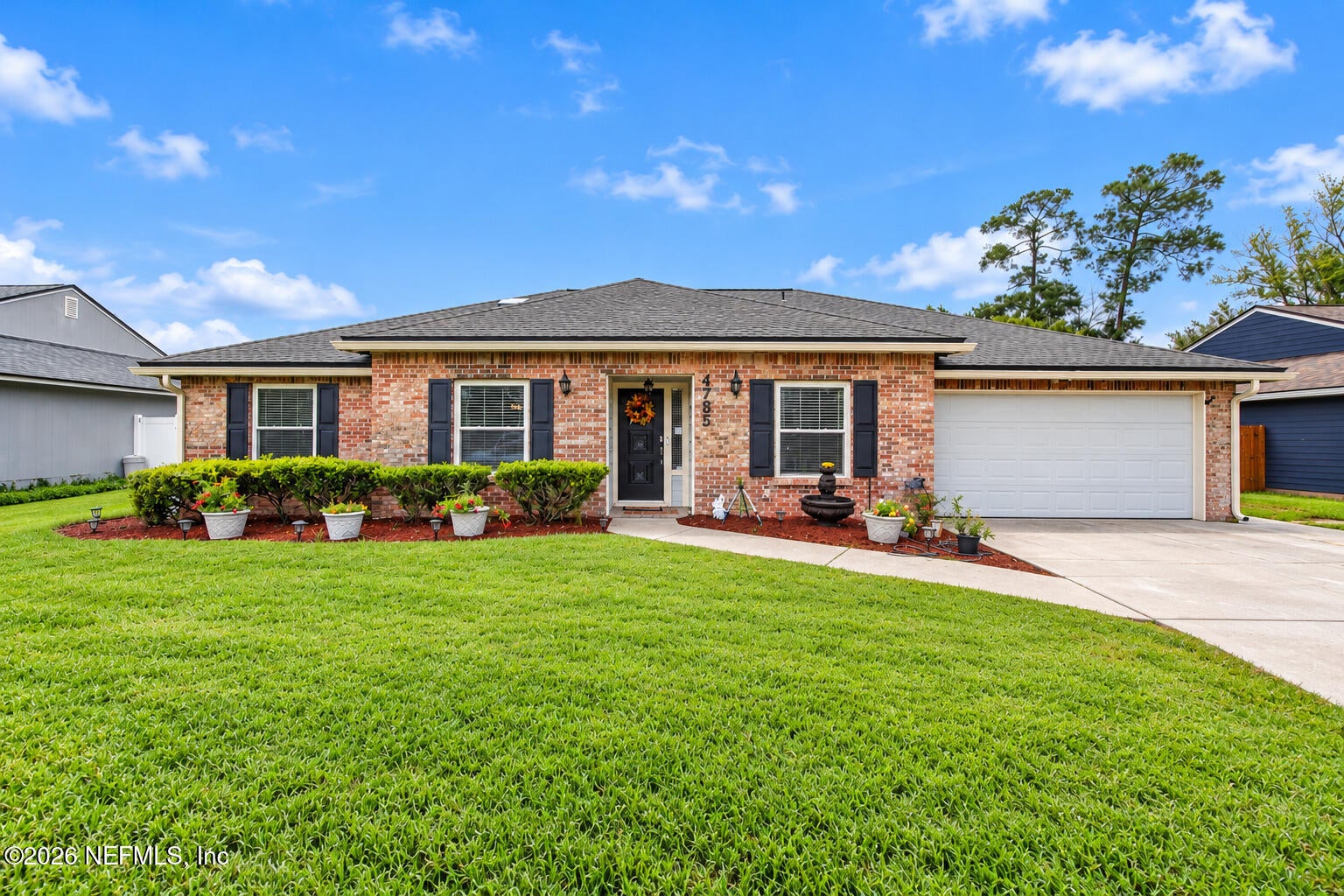
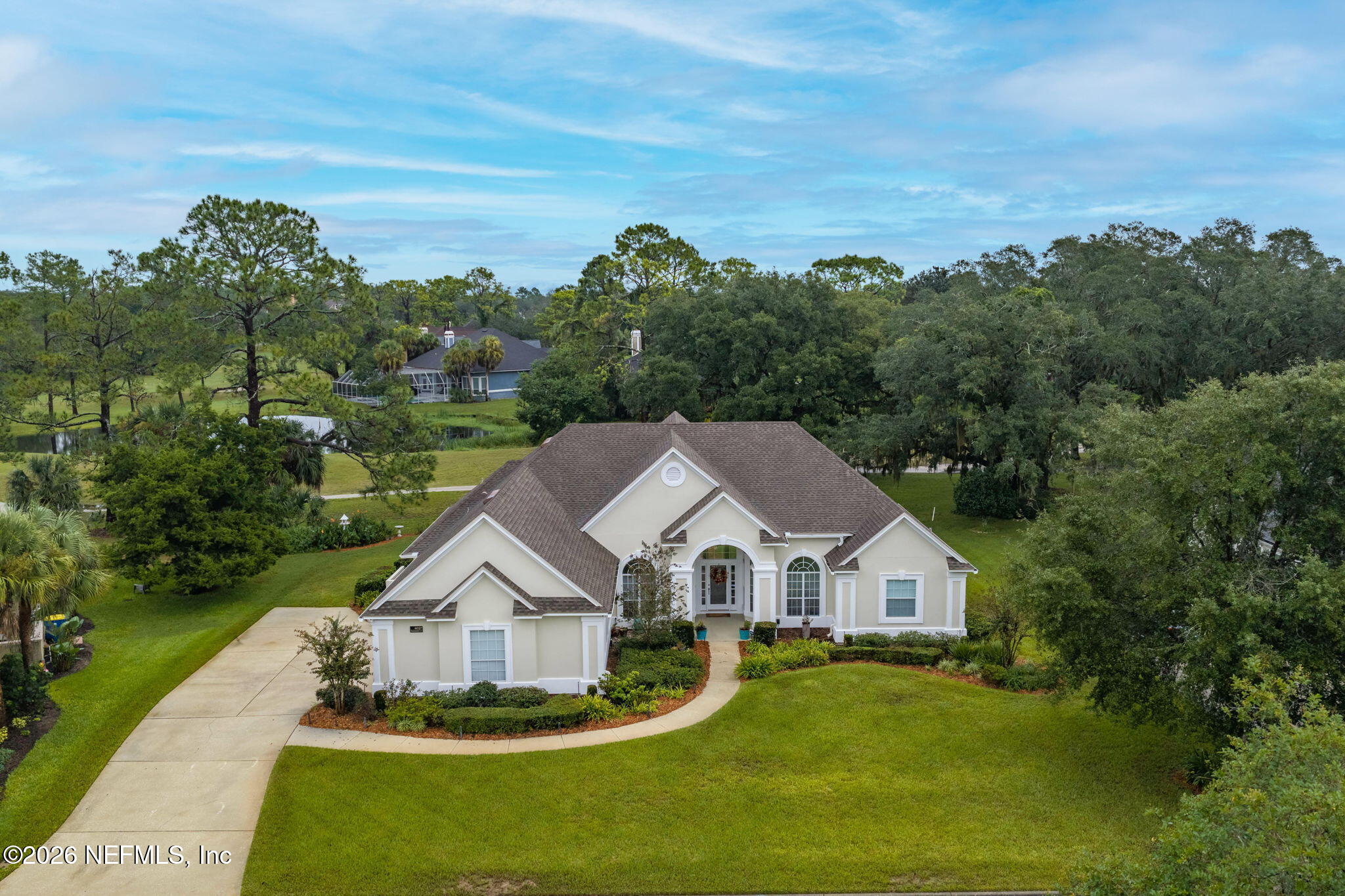
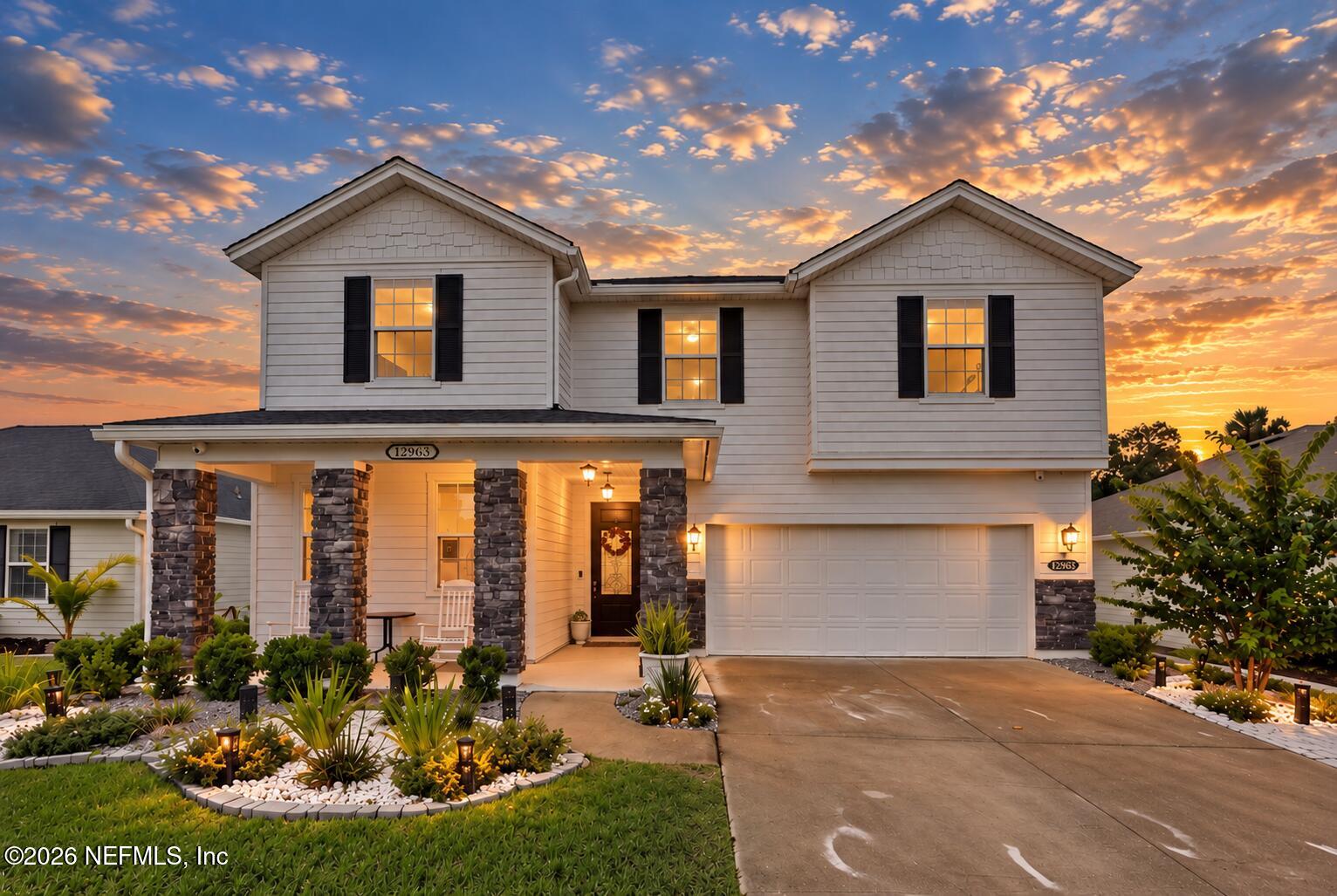
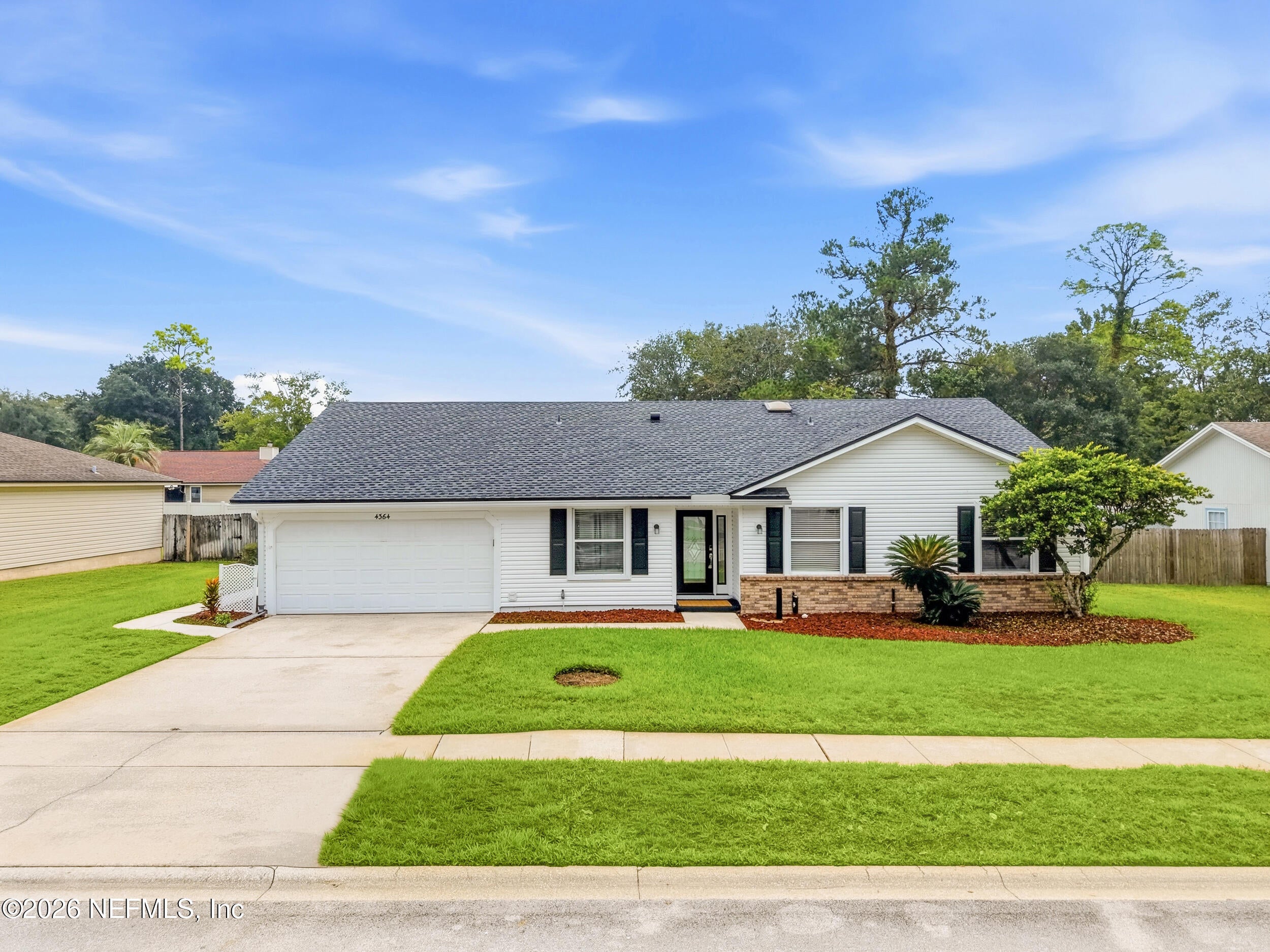
Housing is where Jacksonville separates itself from the rest of Florida. As Florida’s largest city by land area, Duval County offers everything from historic bungalows to brand-new suburban construction, and the range of price points is wide. Compared to Orlando, Tampa, and especially the South Florida metros, the cost of living in Jacksonville is anchored by home prices that still leave room for first-time buyers and families trading up.
- Buying: Median sale prices across Duval County generally run below the statewide median, and entry-level inventory is easier to find here than in most Florida metros.
- Renting: Rents climbed during the pandemic-era surge but have cooled as new apartment supply came online. For many households the buy-versus-rent gap is narrower than it looks once tax benefits are factored in. We break the numbers down in renting vs buying in Jacksonville.
- Where you land matters: Beach-adjacent and St Johns County addresses carry a premium, while inland Duval neighborhoods deliver more square footage per dollar.
Taxes: No State Income Tax, and What That Means
Florida charges no personal state income tax, which is one of the single biggest reasons the cost of living in Jacksonville feels lighter than in high-tax states. For a household relocating from New York, New Jersey, or Illinois, that alone can offset a meaningful chunk of moving costs in the first year.
Property taxes are the trade-off to understand. Duval County millage rates run a bit higher than neighboring St Johns County, though home prices in Duval are typically lower, so the annual bill often evens out. If you are comparing counties, our St Johns vs Duval County property tax comparison lays it out side by side. Florida’s Save Our Homes cap and homestead exemption also limit how fast your assessed value can climb once you own and occupy the home.
Insurance and Utilities
Homeowners insurance is the line item that surprises newcomers most. Florida premiums are among the highest in the country, and coastal exposure, roof age, and flood zone all move the number. Budget for it early rather than at closing. Our Florida homeowners insurance guide covers what drives the quote and how to keep it manageable.
Utilities are more forgiving. JEA, the city-owned utility, provides electric, water, and sewer, and rates are competitive for the region. Summer cooling is the main driver of the power bill, so an efficient HVAC system and decent insulation pay off quickly. Overall, monthly utility costs in Jacksonville track close to the national average, which helps balance out the insurance premium.
Groceries, Transportation, and Everyday Costs
Day-to-day spending in Jacksonville lands near or slightly below national norms:
- Groceries: Roughly in line with the U.S. average, with plenty of competition among chains keeping prices in check.
- Transportation: Jacksonville is a car-first city. Gas prices tend to run below the national average, but the metro is spread out, so factor in commute distance when you choose a neighborhood. A shorter drive to work can quietly save more than a lower mortgage payment.
- Healthcare: The presence of Mayo Clinic, Baptist Health, and UF Health gives the region strong medical infrastructure, with costs close to the state average.
How Jacksonville Compares to the Rest of Florida
Stacked against Florida’s other major metros, Jacksonville consistently comes out as one of the more affordable big-city options. You get access to a real job market, an international airport, professional sports, and miles of Atlantic beaches without the price tag of Miami or the tourist-driven squeeze of the Orlando corridor. For relocating households, that combination is the whole pitch. If a move is on the table, our full guide to moving to Jacksonville covers neighborhoods, schools, and what to expect after you arrive.
Thinking About a Move to Jacksonville?
The numbers are only part of the story. The right neighborhood, school zone, and commute make the difference between a house that fits your budget and one that fits your life. Start with our Jacksonville home search to see what is on the market, or browse everything with our full property search. When you are ready to talk specifics, reach out to our team and we will help you run the real numbers for your situation.
Common Questions
Frequently Asked Questions
Keep Reading
Related Articles



Ready to Make Your Move?
Let DJ & Lindsey Help You Find Your Dream Home
Whether you're buying, selling, or just exploring your options, we're here to guide you every step of the way. With deep local expertise across Florida's best markets, we'll help you make the smartest real estate decisions.
Get In Touch
Free Consultation
"*" indicates required fields