

HOA Fees in Palm Beach County: A 2026 Buyer Guide
If you are shopping for a home here, HOA fees in Palm Beach County can change your monthly budget as much as the mortgage rate. Most of the county’s newer neighborhoods, condo towers, and country clubs are run by an association, and the dues range from a modest charge for landscaping to a significant monthly bill that covers insurance, security, and amenities. This guide explains what the fees pay for, why some communities cost more than others, how Florida’s condo safety laws are changing the numbers, and what to review before you make an offer.
What HOA Fees in Palm Beach County Actually Cover
Association dues pay for the things owners share. What that includes depends on the community, but most budgets cover some combination of these:
- Common-area upkeep: landscaping, lakes, entry features, sidewalks, and private roads.
- Amenities: pools, clubhouses, fitness centers, tennis and pickleball courts, and playgrounds.
- Security: staffed gates, roving patrols, and camera systems.
- Management and administration: the property management company, accounting, legal, and insurance for common areas.
- Reserves: money set aside for future big-ticket repairs such as roofs, paving, and pool resurfacing.
Two homes with the same dues can deliver very different value, so always ask for the line-by-line budget rather than comparing the monthly number alone. Our guide to how HOA fees work in Florida walks through the terms you will see in those documents.
Why Condos, Gated Communities, and Country Clubs Cost More
The more an association does, the more it costs. Three types of community tend to sit at the top of the range in Palm Beach County:
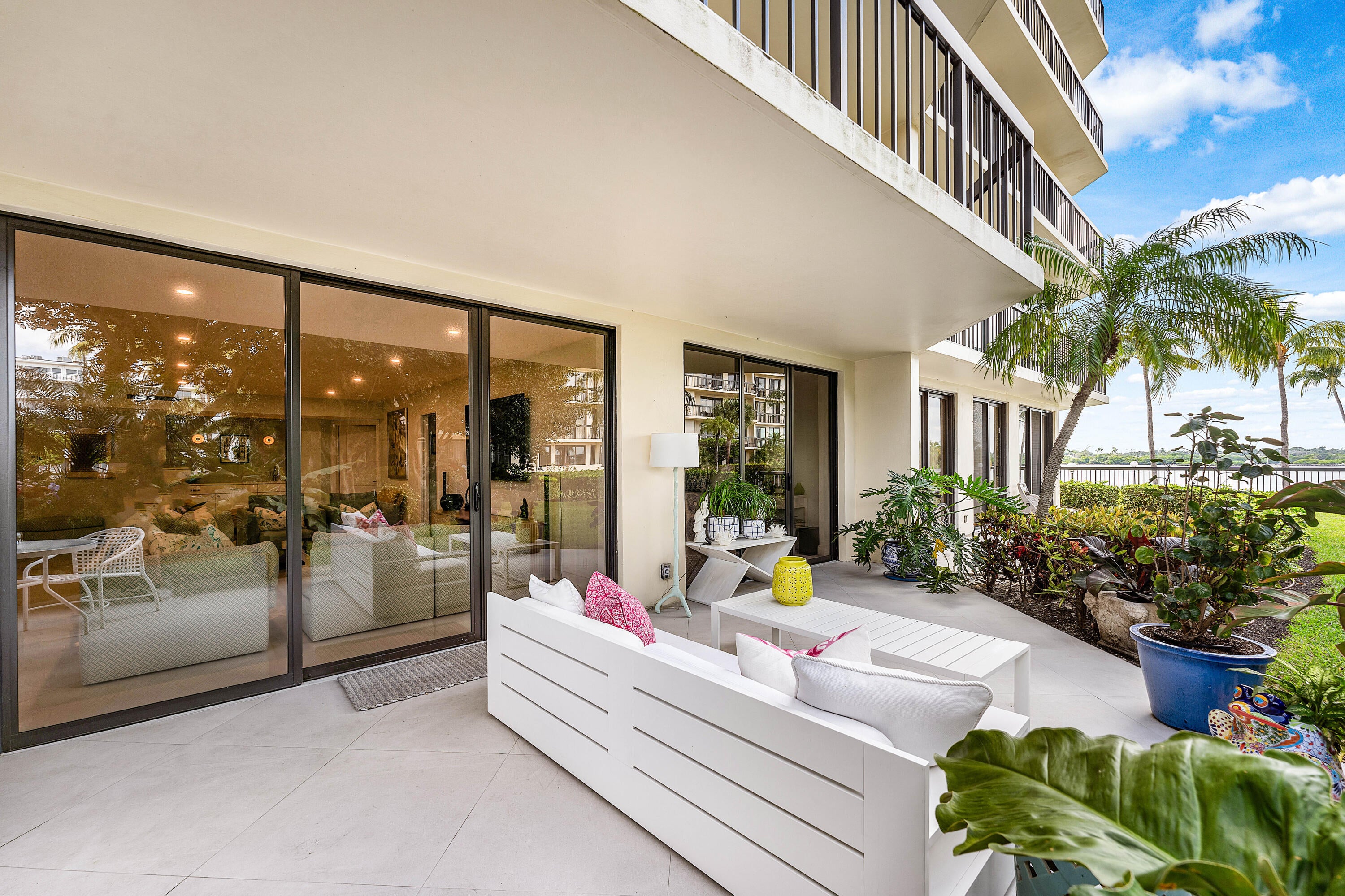
- Condominiums: the association usually maintains the building exterior, roof, elevators, and common systems, and carries the master insurance policy on the structure. Those items are expensive in coastal Florida. Browse Palm Beach County condos for sale and you will see dues vary widely from building to building.
- Gated communities: staffed gatehouses and 24-hour security add a large fixed cost that every owner shares.
- Country-club communities: the HOA covers the neighborhood, but club membership is often a separate charge with its own dues, and sometimes a mandatory equity contribution. Our Palm Beach County country club membership guide explains how the two layers fit together.
HOA Dues vs. Property Taxes, Insurance, and Club Membership
HOA dues are only one line in the cost of owning a home. Budget for each of these separately:
- Property taxes: paid to the county and based on assessed value. See our Palm Beach County property tax guide for how the homestead exemption and Save Our Homes cap work.
- Homeowners insurance: your own policy is separate from the association’s. Condo owners need an HO-6 policy for the interior, and single-family owners need a full homeowners policy. Our Palm Beach County homeowners insurance guide covers what drives premiums.
- Club dues: in club communities, membership dues and food minimums are usually billed by the club, not the HOA.
Add all of these together before you decide what you can afford. A home with low dues but a separate mandatory club can cost more each month than a condo with higher dues that cover nearly everything.
Special Assessments and Florida’s Condo Safety Laws
A special assessment is a one-time charge that owners pay when the association needs money its budget and reserves do not cover, such as a roof replacement or concrete restoration. Assessments can run into thousands of dollars per unit, so they deserve close attention.
After the 2021 Surfside collapse, Florida tightened the rules for condominiums and cooperatives three stories or taller. These buildings now need milestone structural inspections and a structural integrity reserve study, and associations can no longer waive funding for the reserves those studies require. The goal is safer, better-funded buildings, but the short-term effect has been higher dues and special assessments in many older condo buildings. If you are shopping for a condo, ask whether the building has completed its milestone inspection and reserve study, and whether any assessment is planned.
How to Research an HOA Before You Buy
You have the right to review the association’s documents during your purchase. Ask for, and read, the following:
- Current budget and reserve study: are reserves fully funded, or is the association catching up?
- Financial statements: look for steady finances and few owners behind on payments.
- Board meeting minutes from the past year: these reveal upcoming projects, disputes, and assessments before they are announced.
- Governing documents: rules on rentals, pets, parking, leasing approval, and exterior changes.
- Estoppel certificate: the official statement of current dues and anything the seller still owes, which your closing agent will order.
Plan for association-related charges at closing, too. Our guide to Palm Beach County closing costs lists the fees buyers typically see.
Frequently Asked Questions
What do HOA fees in Palm Beach County typically cover?
Most cover common-area maintenance, amenities, security, management, and reserves for future repairs. Condo associations also usually maintain the building exterior and carry the master insurance policy.
Are HOA fees the same as property taxes?
No. Property taxes go to the county and are based on assessed value. HOA dues go to the association and pay for shared community costs.
Why are condo HOA fees rising in Palm Beach County?
Higher insurance costs and Florida’s newer condo safety laws, which require structural inspections and fully funded structural reserves for buildings three stories or taller, have pushed dues up in many buildings.
What is an estoppel certificate?
It is an official statement from the association showing the current dues and any amounts the seller still owes. It is ordered during the closing process so the buyer does not inherit unpaid balances.
Do country club communities charge HOA fees and club dues?
Often, yes. The HOA covers the neighborhood, and the club bills membership dues separately. Some clubs also require a one-time equity contribution when you buy.
HOA fees are easier to judge with someone who reads association budgets every week. If you are comparing communities, reach out to our team and we will help you understand the full monthly cost of each home before you make an offer.

Keep Reading
Related Articles


Ready to Make Your Move?
Let DJ & Lindsey Help You Find Your Dream Home
Whether you're buying, selling, or just exploring your options, we're here to guide you every step of the way. With deep local expertise across Florida's best markets, we'll help you make the smartest real estate decisions.
Get In Touch
Free Consultation
"*" indicates required fields